
How to Design Walk-In Wardrobes for Small Bedrooms

Designing a walk-in wardrobe for a small bedroom presents a unique challenge: how to maximize storage and style without compromising space. This guide will explore various strategies and tips to create a functional, organized, and beautiful wardrobe, even in compact rooms. Know more about this site 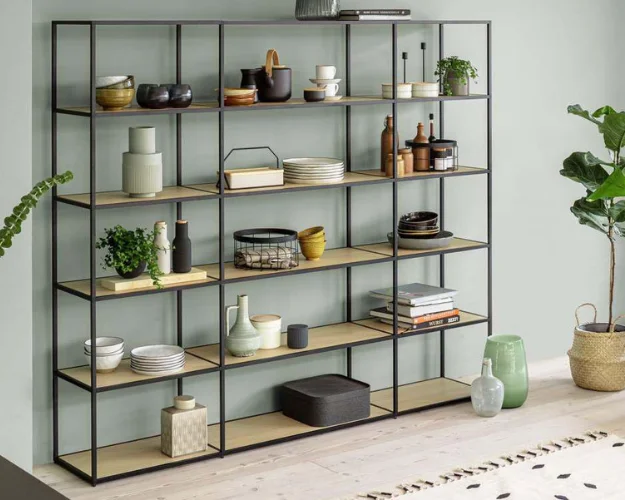
1. Assess Your Needs and Space
Before diving into the design process, the first step is to analyze your bedroom’s dimensions and your storage requirements. Begin by listing what you need to store, such as clothing, shoes, accessories, or other items. This list will help determine how much hanging space, shelving, and drawer storage you will need.
Next, evaluate the available space in your bedroom. Consider whether you can carve out a corner or allocate an entire wall for the wardrobe. In some cases, removing an existing built-in closet might free up more space.
Tip: Measure the height, width, and depth of the area you plan to convert into your walk-in wardrobe. This ensures that you use the space efficiently without overwhelming the room.
2. Prioritize Vertical Storage
In small bedrooms, vertical space is your best friend. Utilizing the full height of the room allows you to maximize storage while minimizing the floor space the wardrobe occupies. Opt for floor-to-ceiling shelving and hanging rods. Install adjustable shelving systems, so you can change the configuration as your storage needs evolve.
If the ceiling height permits, consider creating additional overhead storage for items you don’t need daily, like seasonal clothing or luggage. Using vertical space wisely will keep your walk-in wardrobe functional without making the bedroom feel cramped.
3. Sliding or Bi-Fold Doors
In small rooms, traditional swinging doors can take up valuable floor space. Sliding doors or bi-fold doors are an excellent alternative as they save space and allow easier access to your wardrobe. Glass doors can make the wardrobe feel larger, adding a reflective surface that brightens up the room. If you prefer an open concept, you can opt for no doors at all, showcasing your neatly organized clothing and accessories.
4. Open vs. Closed Storage
When designing your walk-in wardrobe, you can choose between open and closed storage systems. Each has its pros and cons:
- Open Storage: Offers easy access to items and gives a modern, airy feel. However, open storage requires a high level of organization since everything is visible.
- Closed Storage: Keeps items hidden and reduces visual clutter, making the room feel more organized. However, it can make the space feel smaller if not properly designed.
Tip: A hybrid system combining open shelving for shoes and bags, and closed drawers for clothes and accessories, can balance style and functionality.
5. Smart Use of Corners
Corners often go unused, but they can offer additional storage potential in a small bedroom. Installing L-shaped shelves or corner units helps make use of these tricky spaces. You can also add a rotating carousal for shoes or bags in the corner, making it both practical and space-efficient.
6. Drawer and Shelf Placement
Organize your wardrobe with a mix of hanging space, drawers, and shelves. Keep frequently used items at waist or eye level for easy access. Less-used or seasonal items can be stored on higher shelves or in drawers lower to the ground.
Consider installing pull-out shelves for shoes, belts, and accessories, allowing you to see and access items without creating clutter. Dividers within drawers can also keep smaller items like socks, jewelry, or ties organized.
7. Mirrors to Enhance Space
Mirrors are a powerful design element for small bedrooms, as they reflect light and create the illusion of a larger space. Incorporating a full-length mirror within or on the doors of the wardrobe adds functionality and style. If space allows, adding multiple mirrors in the wardrobe or on surrounding walls can make the room feel more open and spacious.
8. Lighting for Functionality and Aesthetics
Good lighting is key to making a small space functional. Proper lighting ensures that you can easily find items in your wardrobe, even in low light. Recessed lighting, LED strips, or motion-sensor lights inside the wardrobe are excellent options. These lights are energy-efficient and provide ample illumination.
Ambient lighting around the wardrobe, like soft wall sconces or pendant lights, can also add to the room’s overall aesthetic. This combination of functional and decorative lighting can help create a warm and inviting atmosphere.
9. Maximize Efficiency with Accessories
Walk-in wardrobes benefit from a range of accessories that help keep things organized. Consider installing:
- Hooks: For hanging bags, hats, or scarves.
- Pull-out trays: For belts, ties, and jewelry.
- Pull-out laundry hampers: To keep dirty clothes organized and out of sight.
- Shoe organizers: Keep shoes neatly arranged and easy to access.
By incorporating these features, you can keep your wardrobe clutter-free and improve its functionality.
10. Incorporate a Dressing Area
If space permits, consider incorporating a small dressing area within your walk-in wardrobe. Even a modest bench or small stool paired with a vanity mirror can make a big difference. A designated space for getting dressed not only adds luxury but also keeps the rest of your room organized and uncluttered.
11. Choose the Right Color Scheme
In a small bedroom, light colors can make a huge difference. Opt for a light, neutral color palette for both your wardrobe and bedroom to create a sense of openness. White, beige, and pastel tones work well in making a room feel airy and spacious. If you prefer a pop of color, consider adding it in small accents, such as drawer handles, door frames, or shelving.
You can also incorporate wood finishes for a natural, warm touch. Glossy or reflective finishes on wardrobe doors can further enhance the sense of space by bouncing light around the room.
12. Go Minimalist
Lastly, a minimalist approach to your walk-in wardrobe design can help reduce visual clutter and keep the space functional. Focus on keeping only essential items and use clever storage solutions to keep everything organized. By minimizing the number of items and maximizing the available space, you can create a clean, efficient wardrobe that feels much larger than it is.
Designing a walk-in wardrobe in a small bedroom might seem like a challenge, but with thoughtful planning, space-saving techniques, and a focus on organization, it is possible to create a stylish and functional solution. Whether you opt for open storage, smart shelving, or incorporate lighting and mirrors to enhance space, your dream wardrobe can become a reality.
For more ideas and inspiration, be sure to know more about walk-in wardrobe options and how to tailor them to your space.


