
Stairlifts vs Residential Lifts: A Comparative Analysis
The Luxury Home Lifts with Compact Designs
Stairlifts vs Residential Lifts: A Comparative Analysis
Modern homes increasingly incorporate mobility solutions like stairlifts and residential lifts to enhance accessibility and convenience. While both options serve to ease vertical movement, they cater to different needs and scenarios. Here’s a comprehensive comparative analysis to help you choose the best solution for your home.
Overview of Stairlifts and Residential Lifts
Stairlifts
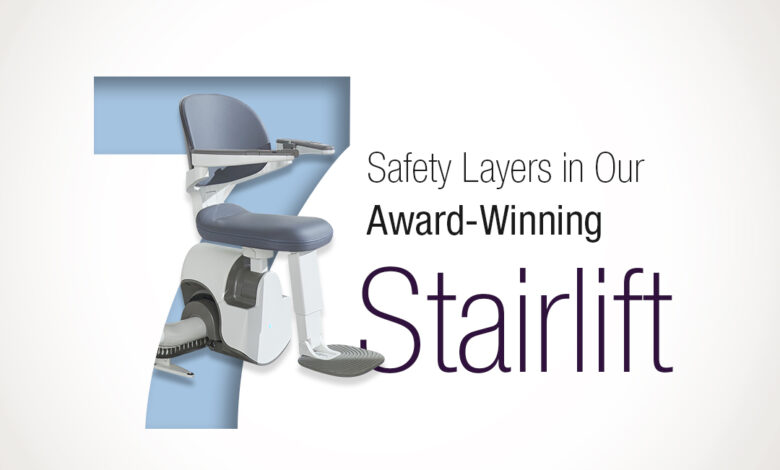
Stairlifts are motorized chairs that travel along a rail installed on the staircase. They are primarily designed for individuals with mobility challenges who need assistance navigating stairs. With advanced safety features, stairlifts are a reliable option for homes with elderly or disabled residents.
Residential Lifts
Residential lifts, also known as home elevators, are vertical transportation systems that move people and goods between floors. They are more versatile and can accommodate multiple users, wheelchairs, or heavier loads. Residential lifts are considered a long-term investment that enhances home functionality and value.
Key Differences Between Stairlifts and Residential Lifts
| Feature | Stairlifts | Residential Lifts |
|---|---|---|
| Purpose | Individual mobility support | Multi-person or load transportation |
| Space Requirement | Minimal, fits existing staircases | Requires dedicated shaft space |
| Weight Capacity | Limited, typically up to 150kg | Higher, up to 500kg or more |
| Installation Time | Quick, usually within a day | Longer, may take weeks |
| Customization Options | Limited to seat and rail designs | Extensive, including cabin size and finish |
| Cost | More affordable | Higher initial investment |
| Aesthetic Impact | Visible rail system | Seamlessly integrates with home decor |
| Target Users | Primarily elderly or mobility-challenged | Suitable for all household members |
Advantages of Stairlifts
- Affordability: Stairlifts are cost-effective and ideal for homes with budget constraints.
- Ease of Installation: They can be installed quickly without major structural modifications.
- Compact Design: Stairlifts take up minimal space, leaving staircases accessible to other users.
- Tailored Mobility: Perfect for individuals needing help navigating stairs.
- Low Energy Consumption: Stairlifts generally consume less power compared to residential lifts.
Advantages of Residential Lifts
- Versatility: Residential lifts accommodate multiple passengers, wheelchairs, or heavy items.
- Luxury and Aesthetics: These lifts add a touch of elegance and increase property value.
- Long-Term Solution: Ideal for future-proofing homes for all family members.
- Customizable Options: Wide range of designs, sizes, and features to suit specific needs.
- Technology-Driven: Advanced features like automated controls, touch panels, and smart integrations enhance usability.
When to Choose a Stairlift
- If you have a single individual with mobility challenges.
- If your home has narrow or steep staircases.
- When you need an affordable, quick solution.
- When minimal structural changes are preferred.
When to Choose a Residential Lift
- If you require a long-term accessibility solution for the entire household.
- When you need to transport heavy loads or multiple people between floors.
- If you are looking to enhance the aesthetic appeal and value of your home.
- When your home has enough space to accommodate a lift shaft.
Maintenance Requirements
- Stairlifts: Require regular cleaning of rails and occasional servicing to ensure smooth operation. Battery replacements may also be necessary as part of routine upkeep.
- Residential Lifts: Need professional maintenance to inspect electrical systems, pulleys, and safety features. Regular servicing includes lubrication, alignment checks, and periodic updates to ensure compliance with safety standards.
Additional Considerations
- Future Needs: While stairlifts are excellent for immediate mobility challenges, residential lifts may better accommodate evolving household requirements over time.
- Structural Modifications: Stairlifts involve minimal adjustments, while residential lifts may require significant remodeling, including creating a lift shaft and installing supporting mechanisms.
- Property Value: Residential lifts tend to enhance property value more significantly than stairlifts due to their luxury appeal and broader functionality.
- Energy Efficiency: Evaluate the energy consumption of both options to select the most sustainable solution for your home.
- Space Constraints: If your home has limited space, a stairlift may be the only feasible option, while residential lifts require adequate planning and allocation of space.
Conclusion
Both stairlifts and residential lifts offer unique benefits, making them suitable for different needs. Stairlifts are ideal for single-user scenarios with minimal installation requirements, while residential lifts provide a comprehensive and luxurious solution for larger households. By understanding your specific requirements, budget, and space constraints, you can choose the best mobility solution for your home. For expert advice and premium mobility solutions, consult Elite Elevators to find the perfect fit for your residence.


