Brighten Your Space with Bay Lights
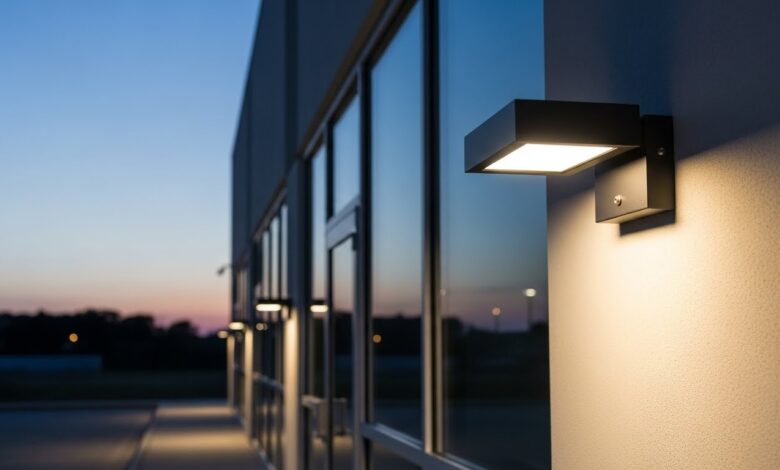
When it comes to illuminating large indoor spaces such as warehouses, factories, gyms, or commercial complexes, having the right lighting is crucial. Bay lights are designed specifically to provide bright, even lighting over expansive areas. They are energy-efficient, durable, and versatile, making them the go-to solution for many commercial and industrial spaces.
What Are Bay Lights?
Bay lights, also known as high bay or low bay lights depending on mounting height, are specialized lighting fixtures used for large indoor areas with high ceilings. High bay lights are typically installed at ceilings above 20 feet, while low bay lights are for ceilings under 20 feet. These lights are capable of producing high-intensity illumination, ensuring every corner of the space is well-lit.
Modern bay lights mostly use LED technology, which is more energy-efficient and long-lasting compared to traditional metal halide or fluorescent lights. With improved lighting technology, LED bay lights offer high lumen output, low heat generation, and consistent brightness over long periods, making them ideal for both productivity and safety.
Advantages of Bay Lights
1. High Efficiency
LED bay lights consume significantly less energy than traditional lighting while providing the same or even higher levels of brightness. This reduces electricity bills, making them a cost-effective solution for businesses that need to light large areas continuously.
2. Long Lifespan
Quality LED bay lights can last up to 50,000 hours or more, minimizing the frequency of replacements. This durability reduces maintenance costs and ensures uninterrupted lighting for long operational hours.
3. Better Safety
Proper lighting is crucial in workplaces to prevent accidents and improve visibility. Bay lights provide uniform illumination, eliminating dark spots and shadows, which helps employees navigate spaces safely and reduces the risk of workplace injuries.
4. Versatility
Bay lights come in a variety of sizes, wattages, and color temperatures, allowing you to tailor the lighting to your specific needs. Whether you need bright white light for precision work or softer lighting for general areas, there is a bay light solution for every scenario.
Applications of Bay Lights
Bay lights are widely used across multiple industries and facilities, thanks to their high efficiency and reliability. Some common applications include:
-
Warehouses and Storage Facilities – Ensures proper visibility for inventory management and safe movement of equipment.
-
Factories and Manufacturing Plants – Provides bright, consistent lighting for detailed tasks and production lines.
-
Gymnasiums and Sports Complexes – Illuminates large indoor spaces for better visibility during games and events.
-
Retail Stores and Showrooms – Enhances product display with uniform, vibrant lighting.
-
Airplane Hangars and Transportation Hubs – Delivers reliable lighting for large-scale operations and maintenance work.
LED Bay Lights vs Traditional Bay Lights
Switching from traditional lighting to LED bay lights offers several advantages:
-
Energy Savings – LEDs use up to 70% less energy than metal halide lights.
-
Instant Brightness – Unlike traditional lights that take time to warm up, LEDs provide immediate illumination.
-
Lower Heat Emission – LED lights emit less heat, improving comfort in workplaces and reducing air conditioning costs.
-
Eco-Friendly – LED Bay Lights contain no harmful chemicals like mercury, making them safer for the environment.
Choosing the Right Bay Light
When selecting bay lights for your space, consider the following factors:
-
Ceiling Height – High bay lights are suitable for ceilings above 20 feet, while low bay lights are ideal for lower ceilings.
-
Lumen Requirements – Determine the brightness needed based on the area’s size and purpose.
-
Color Temperature – Choose cooler light (5000K) for industrial workspaces and warmer light (3000K-4000K) for retail or commercial spaces.
-
Energy Efficiency – Look for LED bay lights with high lumens per watt for optimal efficiency.
-
Durability – Ensure the fixtures are robust and can withstand environmental factors like dust, humidity, or vibration.
Installation and Maintenance Tips
Installing bay lights is straightforward but requires planning to ensure even light distribution:
-
Positioning – Space the lights evenly to avoid dark spots and overlap in brightness.
-
Suspension Height – Adjust the height based on the type of bay light and the intended area coverage.
-
Wiring and Safety – Ensure professional installation to meet electrical safety standards.
-
Maintenance – Regular cleaning of the fixtures keeps them performing at peak brightness. LEDs require minimal maintenance due to their long lifespan.
The Future of Bay Lights
With ongoing advancements in LED technology, bay lights are becoming smarter and more adaptable. Features like motion sensors, dimming capabilities, and smart lighting controls are making energy management easier for businesses. Integration with automated systems allows lights to adjust based on occupancy, time of day, or ambient light, reducing energy waste and enhancing sustainability.
Investing in modern LED bay lights not only improves workplace safety and productivity but also demonstrates a commitment to energy efficiency and eco-friendly practices. Businesses that upgrade to high-quality bay lights benefit from lower operational costs, longer-lasting fixtures, and better overall lighting quality.
Conclusion
Bay lights are a reliable and efficient lighting solution for large indoor spaces. Their energy efficiency, long lifespan, and versatility make them indispensable for warehouses, factories, gyms, and commercial areas. By selecting the right bay lights and maintaining them properly, you can create a safer, brighter, and more productive environment. Upgrading to LED bay lights ensures not only improved visibility but also reduced energy consumption and lower maintenance costs, making them a smart investment for any business.