
How Box Trucks Support Growing Businesses
How a Box Truck Can Support Growing Businesses and Everyday Operations
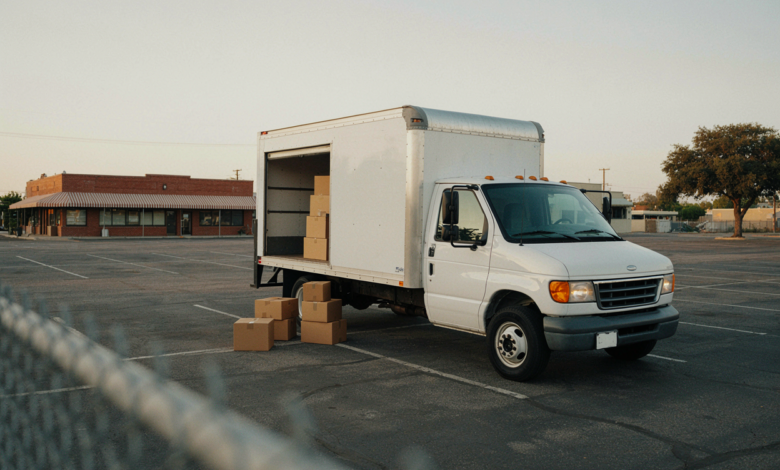
A small retailer finishes packing a batch of online orders and realizes the delivery van is already full for the day. A contractor loads tools and materials for three different job sites before sunrise. A supplier fields a call for an extra shipment that was not on the schedule. These are ordinary moments, but they point to something bigger: as a business grows, moving things from one place to another stops being a minor task and becomes a daily operational challenge.
Transportation needs rarely stay the same size as a business does. More customers usually mean more orders, more equipment, more supplies, and more trips. At some point, many business owners start looking at options that can keep up with that growth. A box truck is one of those options, and it has become a familiar sight outside retail stores, warehouses, job sites, and event venues for a simple reason: it offers a practical way to move goods without constantly renting different vehicles or relying on outside carriers for every job.
What Makes a Box Truck Useful for Businesses
At its core, a box truck is built around one main idea: an enclosed cargo area that keeps whatever is inside separate from the driver’s cab and protected from the outside environment. That simple design is what makes it so adaptable.
Unlike an open flatbed or a small cargo van, the enclosed box gives businesses a defined, weatherproof space to load boxes, pallets, furniture, tools, or equipment. The size of that space allows for more volume than a typical passenger vehicle, without requiring the kind of commercial driving credentials that larger tractor-trailers often need. For many small and mid-sized businesses, that balance of capacity and manageability is exactly what makes a box truck worth considering.
It also allows a business to plan its own transportation instead of depending entirely on outside delivery services. That can matter when timing, handling, or route flexibility is important to how the business operates.
Supporting Local Deliveries
Local and regional deliveries are one of the most common reasons businesses turn to box trucks. Retailers sending out bulk online orders, wholesalers supplying smaller shops, furniture stores handling large item deliveries, and suppliers dropping off equipment or materials all deal with the same basic need: getting products from a warehouse or storefront to a customer’s location in good condition.
A box truck gives these businesses room to consolidate multiple orders into a single run. Instead of making several small trips, a driver can load several deliveries at once, organize them by route or stop order, and complete a full delivery circuit more efficiently. This kind of planning becomes especially useful when a business serves a defined local area and needs predictable, repeatable delivery patterns.
Helping Growing Businesses Handle More Work
Growth tends to bring more of everything: more orders, more customers, more inventory to move, and more locations to serve. What worked when a business was small, such as a single car or a rented van for occasional trips, often becomes a bottleneck once demand increases.
Having consistent access to suitable transportation gives a growing business more control over its own operations. Deliveries can be scheduled around actual order volume rather than around the availability of a third party. Staff can plan loading and unloading around a vehicle they know and understand. Over time, this kind of consistency can make it easier to manage busier periods without everything feeling rushed or improvised.
This does not mean every growing business needs a box truck right away. It means that as transportation demands increase, it becomes worth evaluating whether the current setup can still keep pace with the business.
Box Trucks Beyond Product Deliveries
While box trucks are closely associated with retail and wholesale deliveries, their usefulness extends well beyond that. Contractors use them to transport tools, building materials, and equipment between job sites. Event businesses rely on them to move furniture, staging materials, or supplies to and from venues. Moving companies use them for residential and commercial relocations. Suppliers in industries like food service, construction, or maintenance use them to keep clients stocked with what they need.
What connects these different uses is the same core benefit: a secure, enclosed space that can carry a meaningful amount of cargo without requiring a specialized vehicle for every job. Whether the cargo is inventory, tools, furniture, or supplies, the basic function of the truck stays the same.
Protecting Products During Transportation
Moving items from one location to another is not just about distance. It is also about condition. Products, materials, and equipment can be affected by weather, vibration, shifting during transit, or improper handling. An enclosed cargo area helps reduce some of these risks by keeping items out of direct exposure to rain, wind, or sun.
That said, an enclosed space alone does not guarantee safe transport. Careful loading practices still matter. Items should be secured so they do not shift or collide during the trip. Fragile or stackable goods need to be arranged thoughtfully, and heavier items generally belong on the bottom or toward the truck’s center of gravity. Taking time to load carefully can make a noticeable difference in how products arrive at their destination.
Organizing the Cargo Area
A well-organized cargo space can save time and reduce mistakes, especially for businesses making multiple stops or handling different types of goods in a single trip. A few general practices can help:
- Installing shelving or dividers to separate different categories of items
- Grouping products by delivery stop, order, or job site
- Labeling boxes or containers clearly so items are easy to identify
- Distributing weight evenly to keep the truck balanced and stable
- Keeping frequently needed items near the door for faster access
None of these steps require complicated systems. They simply involve thinking ahead about how the cargo area will be used on a given day and setting it up accordingly.
The Connection Between Transportation and Packaging
Transportation and packaging are closely linked, even though they are often treated as separate parts of a business. Before anything is loaded onto a truck, it usually needs to be packaged in a way that keeps it protected and organized. Poor packaging can lead to damaged goods, wasted space, or unnecessary handling problems once items are in transit.
This is where thoughtful packaging choices become part of a smoother transportation process. Products that are packaged with their eventual movement in mind tend to load more easily, stack more securely, and hold up better throughout the supply chain, from storage to delivery. Businesses that put some thought into custom packaging often find that it helps keep products organized and presentable as they move from storage to a truck to a final destination.
In this sense, packaging is not just about appearance. It plays a practical role in how well products survive the transportation process.
Choosing the Right Transportation Approach
There is no single transportation setup that works for every business. Several practical factors typically influence the decision:
- How often deliveries need to happen
- How much cargo needs to move at one time
- The typical distance goods need to travel
- The type of products or materials being transported
- Loading and unloading requirements
- Operating costs associated with different vehicle options
- Current and expected business growth
- Available staff and resources to manage transportation
Weighing these factors together, rather than focusing on just one, tends to give a clearer picture of what a business actually needs. A setup that works well for a business making a few large deliveries a week may not suit one making frequent small drop-offs across a wide area, and vice versa.
Making Everyday Operations More Efficient
Transportation planning affects more than just the physical act of moving goods. It touches scheduling, inventory management, customer service, and overall workflow. When deliveries are organized well, staff spend less time figuring out logistics on the fly and more time focusing on the actual work.
A few practical ideas can support more efficient delivery operations:
- Planning delivery routes in advance based on location and priority
- Keeping a consistent loading process so staff know what to expect
- Reviewing delivery schedules periodically as order volume changes
- Communicating clearly with customers about delivery windows
- Building in some flexibility for last-minute or urgent orders
None of these ideas require major changes overnight. Small, consistent improvements to how transportation is planned can add up to a noticeably smoother operation over time.
When a Box Truck May Make Sense
A box truck tends to make sense for businesses that deal with regular deliveries, need to transport a meaningful volume of goods, or want more control over how their transportation is handled. This can include retailers with growing order volumes, contractors managing multiple job sites, suppliers serving regular clients, or businesses that frequently move equipment or materials.
It may make less sense for businesses with very low or irregular transportation needs, where renting a vehicle occasionally or relying on outside delivery services remains more practical. The right choice ultimately depends on the specific demands of the business, not a general rule that applies to everyone.
Read: Top Jewelry Trends Every Fashion Lover Should Know in 2026
Conclusion
As businesses grow, transportation tends to become a bigger part of daily operations rather than an occasional task. Dependable transportation can support consistent deliveries, help move products and equipment safely, and give a business more control over how it handles its own logistics. A box truck is one practical option that many growing businesses consider, thanks to its enclosed cargo space and manageable size. Whether it is the right fit depends on a business’s specific delivery patterns, cargo needs, and long-term plans, but for many operations, reliable transportation ends up playing a quiet, essential role in keeping things running smoothly.


