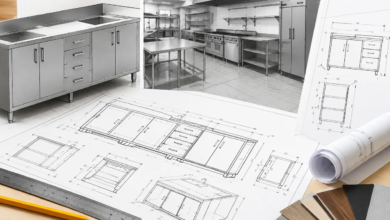
Residential Drafting Services: Key Requirements Before Outsourcing
Residential Drafting Services

Architectural firms, custom builders, and residential designers across the United States operate under relentless pressure to deliver precise technical plans while maintaining strict project schedules. Handling all drafting in-house often strains internal teams, inflates operational overhead, and pulls senior architects away from high-value design work and client management. Consequently, strategic architectural drafting outsourcing has become a primary operational model for growing firms. Partnering with specialized residential drafting services empowers construction professionals to expand drafting capacity dynamically without sacrificing drawing accuracy. However, successful outsourcing requires much more than simply handing off preliminary sketches. To achieve a seamless integration, firms must establish clear prerequisites, technical standards, and structured collaboration protocols prior to starting any project.
1. Defining Clear Deliverables for Residential Construction Drawings
Before handing off initial concepts to an external team, firms must clearly define the project scope and technical drawing requirements. Residential project documentation covers a broad spectrum from early schematic concepts and permit application sets to comprehensive, construction-ready plan packages. Unclear scope boundaries often lead to unnecessary revisions, missed details, and unexpected schedule delays.
A thorough scope checklist should specify every sheet needed for the project, including foundation layouts, exterior elevations, structural cross-sections, roof plans, and electrical schedules. For projects in the early planning phase, utilizing professional floor plan drafting services ensures room dimensions, circulation paths, and door/window schedules are fully aligned before moving into complex technical detailing. Furthermore, establishing upfront whether deliverables should be produced in 2D CAD or fully integrated BIM software ensures the external team assigns personnel with the exact skill sets required.
2. Standardizing CAD Guidelines and Graphic Specifications
Maintaining consistent visual standards is crucial for brand integrity and quality assurance. Externally produced drawing sets should seamlessly mirror the line weights, notation styles, and sheet layouts of your in-house team. Prior to initiating an outsourcing agreement, design and construction practices should compile a comprehensive graphic standards package.
This CAD standards package should define key drafting preferences:
- Layer structures, line weight hierarchies, and color-dependent plot style tables (CTB/STB files).
- Customized title block layouts, margin dimensions, font hierarchies, and detail callouts.
- Preferred dimensioning rules, unit conventions, and standardized file-naming protocols.
Established AEC production partners, such as McLine Studios, routinely adapt to custom client templates so that incoming drawing files match internal firm standards perfectly. Supplying these files during onboarding eliminates tedious formatting adjustments later. Additionally, leveraging specialized CAD drafting services helps ensure that all technical layers and sheet setups conform strictly to local authority formatting rules for efficient municipal submittals.
3. Establishing an Operational Residential Drafting Workflow
Smooth remote collaboration depends on clear communication channels, defined milestones, and structured review stages. Implementing a well-defined residential drafting workflow bridges operational divides, preventing confusion across different time zones or remote working environments.
An effective drafting workflow follows clear sequential stages:
- Input Handoff: Transmitting site surveys, field measurements, initial sketches, and local zoning constraints to the drafting team.
- Production & Coordination: Converting design intent into detailed CAD drawings while coordinating structural and spatial elements.
- Review & Redlining: Conducting internal quality checks using digital markup software such as Bluebeam or Adobe Acrobat to detail required adjustments.
- Sheet Finalization: Implementing redlines and delivering finalized, permit-ready construction document packages.
Designating primary technical points of contact on both sides ensures questions are resolved quickly and design updates are tracked systematically. Regular milestone check-ins keep project schedules on track and ensure mutual alignment throughout the project lifecycle.
4. Validating Local Building Codes and Municipal Compliance
Residential construction in the U.S. is governed by strict local building codes, state amendments, and municipal zoning regulations. While external drafting specialists bring advanced software expertise and technical skill, legal responsibility for code compliance remains with the architect or designer of record.
Prior to starting drafting work, firms must provide all relevant local criteria, including climate zone standards, setback restrictions, energy code requirements, and maximum building heights. Working alongside experienced providers of architectural drafting services ensures technical plans systematically account for critical code items, such as egress window sizing, stair geometry, structural load paths, and accessibility standards. Supplying regional code requirements upfront minimizes back-and-forth plan check comments and speeds up permit approvals from local building departments.
Key Requirements Before Utilizing Residential Drafting Services
Integrating third-party drafting expertise into your firm’s production pipeline offers a powerful path to increased capacity and operational flexibility. However, maximizing the value of an external drafting team requires careful preparation, clear graphic guidelines, and structured workflow management.
By establishing strong technical prerequisites, architecture firms and builders can shorten turnaround times, lower production costs, and maintain superior plan quality. Whether scaling up to meet seasonal demand or establishing a long-term production extension, taking the time to set clear expectations upfront ensures project success. Investing in professional residential drafting services equips your practice to deliver exceptional residential projects efficiently, accurately, and on schedule.