
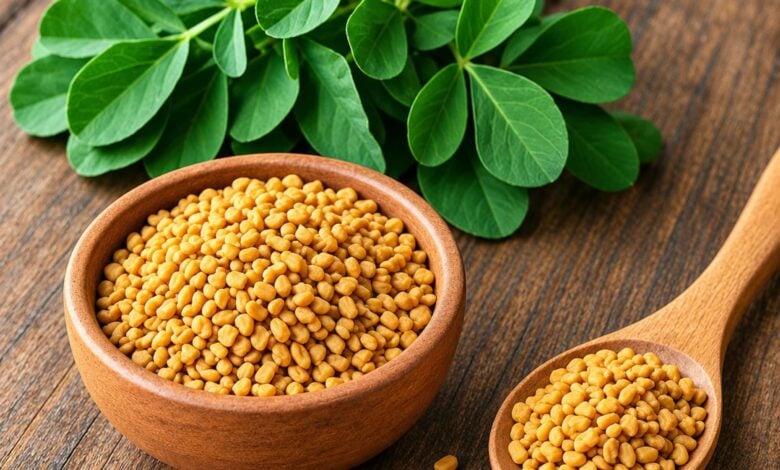
Fenugreek, commonly known as methi in India, is a popular herb valued for its distinctive flavour, nutritional composition, and long history of use in traditional Indian cooking and Ayurveda. Its scientific name is Trigonella foenum-graecum. Both the green leaves and small golden-brown seeds are widely used in different dishes. While fresh methi adds a slightly bitter taste to vegetables and flatbreads, its seeds are commonly used in spice mixtures, pickles, and traditional food preparations.
Fenugreek is an interesting example of how everyday ingredients can connect traditional food practices with modern nutritional awareness. Understanding its uses, nutrients, and precautions can help people include it sensibly in a balanced diet.
Traditional Uses of Fenugreek
Fenugreek has been used for generations in Indian households and traditional wellness practices. In Ayurveda, it is traditionally associated with digestion and general well-being. Its seeds are often soaked overnight or added to warm dishes, while fresh leaves are prepared as vegetables, parathas, and other everyday foods.
Fenugreek seeds contain naturally occurring plant compounds, including saponins, flavonoids, and alkaloids. These compounds have attracted scientific interest because of their potential biological properties. However, traditional use does not automatically establish a health benefit, and more research is needed to understand the effectiveness of fenugreek for specific medical conditions.
A balanced perspective on herbal ingredients also means recognising the difference between their culinary uses and their use as concentrated supplements.
Nutritional Value of Fenugreek
Fenugreek seeds contain several nutrients that contribute to their nutritional profile. They provide dietary fibre, plant-based protein, carbohydrates, and small amounts of fat. They also contain minerals such as iron, magnesium, and manganese, although the amounts consumed depend on serving size and preparation.
Dietary fibre is an important part of a balanced diet because it supports normal digestive function. Fenugreek seeds also contain soluble and gel-forming fibres that influence their texture when soaked in water.
Fresh fenugreek leaves have a different nutritional profile from the seeds. They contain vitamins, minerals, and other plant compounds, making them a useful addition to a varied diet. Because leaves and seeds are eaten in different quantities, their nutritional contributions can vary considerably.
Fenugreek is not a substitute for a diverse diet. Instead, it can complement other vegetables, whole grains, pulses, fruits, and protein-rich foods.
Simple Ways to Use Fenugreek in Everyday Life
There are several practical ways to include fenugreek in everyday meals.
- Add fresh methi to meals: Fresh leaves can be cooked with potatoes, lentils, or other vegetables. They can also be mixed into whole-wheat dough to prepare methi parathas.
- Use seeds in cooking: A small quantity of fenugreek seeds can be added to dals, vegetable dishes, pickles, and spice blends. Lightly roasting the seeds can change their flavour, making them suitable for different recipes.
- Soak the seeds: Some people soak fenugreek seeds overnight and consume them with water or add them to meals. Their texture softens during soaking, but this practice should not be considered a proven treatment for any health condition.
- Include fenugreek in mixed dishes: Ground fenugreek seeds can be used in curries, homemade spice mixtures, and selected savoury recipes. Starting with small quantities helps manage their strong, slightly bitter flavour.
For general background on traditional herbal ingredients, readers can explore Arkveda Herbals and its herbal products page as additional sources of information.
What Does Scientific Research Say?
Researchers have investigated fenugreek for its possible effects on blood sugar regulation and other aspects of health. Some studies suggest potential benefits, but the quality of available evidence varies, and there is not enough strong evidence to confirm its effectiveness for many proposed uses. The National Center for Complementary and Integrative Health provides an overview of current findings and safety considerations.
Fenugreek should therefore be viewed primarily as a food ingredient rather than a replacement for prescribed medicines or professional medical care.
Safety Considerations
Fenugreek is generally considered safe in quantities commonly used in food for most people. However, larger amounts may cause digestive discomfort, diarrhoea, nausea, or allergic reactions. It may also lower blood sugar, which can be important for people taking diabetes medication.
Pregnant individuals should avoid fenugreek in amounts greater than those normally found in food because higher intakes may pose risks. People who take regular medication or have relevant medical conditions should consult a qualified healthcare professional before using concentrated fenugreek supplements.
Conclusion
Fenugreek (methi) has an established place in Indian cooking and traditional wellness practices. Its seeds and leaves offer different nutritional qualities, flavours, and culinary uses. Adding it to a variety of balanced meals is a practical way to appreciate this traditional ingredient. Understanding its nutritional value alongside the limitations of current research helps people make informed choices about its role in everyday living.


