
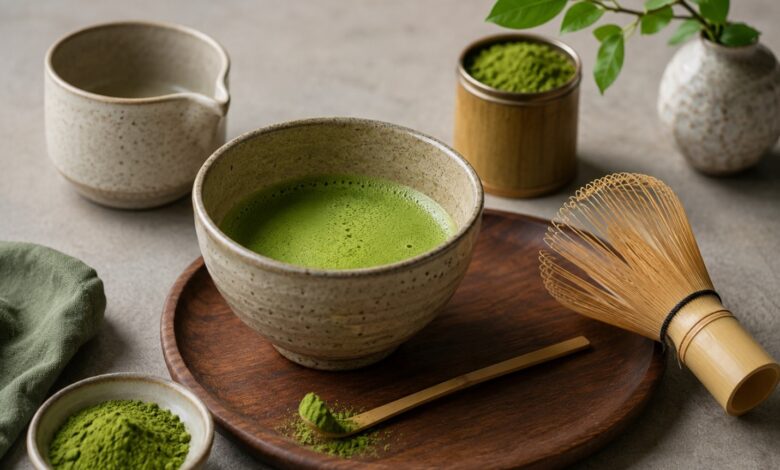
Matcha has become a favorite among tea lovers, wellness enthusiasts, and even coffee drinkers looking for a smoother source of energy. If you’re exploring premium matcha tea for the first time, understanding how it’s prepared can help you enjoy its rich flavor and smooth texture. Unlike traditional green tea, where the leaves are steeped and discarded, matcha is made by whisking finely ground green tea powder directly into water. This means you enjoy the entire tea leaf, creating a rich flavor, vibrant green color, and creamy texture.
If you’re new to matcha, preparing it may seem intimidating. The good news is that making a delicious cup of matcha is simple once you understand a few basic techniques. This beginner’s guide will walk you through everything you need to know to create a smooth, frothy cup every time.
What Makes Matcha Different?
Matcha is produced from specially shade-grown green tea leaves that are carefully harvested, steamed, dried, and stone-ground into an ultra-fine powder. The shading process encourages the leaves to develop a deep green color and a naturally rich, umami flavor.
Because the powder is consumed rather than steeped, the taste and texture of matcha depend greatly on the quality of the tea and the way it is prepared.
Essential Tools You’ll Need
You don’t need an elaborate setup to enjoy matcha, but a few basic tools can improve your brewing experience.
- Matcha powder
- Bamboo whisk (Chasen)
- Matcha bowl (Chawan)
- Bamboo scoop (Chashaku) or measuring spoon
- Fine mesh sieve
- Kettle for heating water
If you don’t own traditional Japanese accessories, you can use a small bowl, a teaspoon, and a handheld milk frother as practical alternatives.
Step 1: Choose High-Quality Matcha
The quality of your matcha has the biggest impact on the final cup.
When buying the Matcha, look for:
- A vibrant emerald green color
- A fresh, grassy aroma
- A smooth, fine powder without clumps
- Clearly labeled origin and production details
- An airtight package to preserve freshness
Fresh matcha delivers a naturally sweet and balanced flavor, while lower-quality powders often taste dull or overly bitter.
Step 2: Heat the Water Correctly
One of the most common beginner mistakes is using boiling water.
Water that is too hot can scorch the delicate tea leaves, resulting in excessive bitterness and a less pleasant aroma.
Aim for a water temperature between 70°C and 80°C (160°F to 175°F).
If you’ve just boiled your water, simply let it cool for a minute or two before pouring it over the matcha.
Step 3: Sift the Matcha Powder
Before adding water, sift about 1 to 2 teaspoons (2–4 grams) of matcha into your bowl.
Sifting removes small clumps that naturally form due to the powder’s fine texture. This simple step makes whisking much easier and helps produce a smoother, creamier drink.
Step 4: Add the Right Amount of Water
Pour approximately 60–70 ml of warm water over the sifted matcha.
Using too much water at first can make it difficult to create the signature frothy layer.
Once the matcha is properly whisked, you can add more warm water if you prefer a lighter flavor.
Step 5: Whisk Until Frothy
The whisking technique is what gives matcha its signature texture.
Hold the bamboo whisk lightly and move it quickly in a zigzag or “W” motion rather than stirring in circles.
Continue whisking for about 15 to 20 seconds until a layer of fine, even foam appears on the surface.
A well-whisked matcha should have:
- Tiny, uniform bubbles
- A creamy texture
- No visible lumps
- A bright green appearance
Optional: Make a Matcha Latte
If you prefer a creamier drink, transform your prepared matcha into a latte.
Simply whisk the matcha as usual, then pour it into a cup containing steamed dairy or plant-based milk. Oat milk and almond milk pair particularly well with matcha’s naturally earthy flavor.
For a touch of sweetness, consider adding a small amount of honey, maple syrup, or your preferred natural sweetener.
Common Mistakes Beginners Should Avoid
Even premium matcha can produce disappointing results if prepared incorrectly.
Some common mistakes include:
- Using boiling water
- Skipping the sifting step
- Stirring instead of whisking
- Using too much or too little matcha powder
- Leaving matcha exposed to air and moisture
- Choosing low-quality matcha for traditional preparation
Avoiding these simple mistakes will noticeably improve both flavor and texture.
How to Store Matcha Properly?
Matcha is sensitive to light, heat, moisture, and air.
To preserve its freshness:
- Keep the container tightly sealed.
- Store it in a cool, dark place.
- Avoid prolonged exposure to sunlight.
- Use clean, dry utensils every time.
- Consume it within a few weeks of opening for the freshest flavor.
Proper storage helps maintain the tea’s vibrant color and delicate aroma.
Experiment With Your Perfect Cup
Once you’ve mastered the basics, you can adjust your preparation to match your personal preferences.
Try varying:
- The amount of matcha powder
- Water quantity
- Whisking time
- Milk alternatives
- Natural sweeteners
- Iced versus hot preparation
These small changes can help you discover the style of matcha that suits your taste best.
Final Thoughts
Making the perfect cup of matcha doesn’t require years of practice—it simply comes down to using quality ingredients, the right water temperature, and proper whisking technique. With just a few easy steps, beginners can create a smooth, vibrant, and satisfying cup that highlights matcha’s naturally rich flavor and health benefits.
Whether you enjoy it as a traditional tea or a creamy latte, taking a little extra care during preparation can make all the difference. As you gain confidence, don’t be afraid to experiment with brewing methods and flavors until you find your perfect cup of matcha.


