
Drift Hunters: Where Focus Becomes the Reward
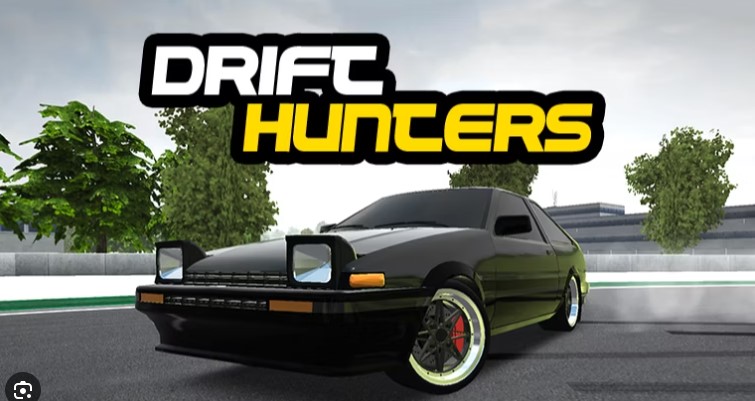
UThere is something quietly powerful about a game that does not try to impress you immediately. Drift Hunters does not greet you with spectacle or urgency. It opens gently, almost casually, as if it already knows that if you stay long enough, the experience will speak for itself. And that is exactly what happens. What begins as a short session often turns into an extended stretch of focused drifting, where time fades and attention narrows to the road ahead.
At first, the car feels unfamiliar. Inputs don’t quite line up with expectations. The rear steps out too aggressively or not enough at all. You overcorrect, then undercorrect. You spin, reset, and try again. But instead of frustration, there is curiosity. The game does not punish mistakes harshly. It allows them to exist, encouraging you to understand why they happened rather than rushing you past them. Each failed drift quietly teaches something about timing, balance, or restraint.
As hours pass, your relationship with the car changes. What once felt unpredictable begins to feel honest. You start recognizing subtle cues in how the car reacts to steering and throttle. On the otherway, you feel the moment when weight transfers just enough to initiate a slide. You sense when a drift can be extended and when it needs to be released. This understanding is not learned through text or tutorials. It is learned through repetition and attention. Drift Hunters trusts the player to learn naturally, and that trust makes improvement feel deeply personal.
The garage becomes more than a place for upgrades. It becomes a space for reflection. Adjustments are no longer random guesses. They are responses to experience. A car that feels unstable on exit is tuned for calm. A car that resists rotation is adjusted for responsiveness. Each change carries intention, and each test drive confirms or challenges that decision. Over time, the car begins to feel like an extension of your own inputs, shaped not by power alone, but by understanding.
The environments support this slow mastery beautifully. Wide open areas allow experimentation without pressure, giving you room to explore limits and recover from mistakes. Tighter sections demand focus and discipline, teaching you to commit with confidence. Mountain roads reward patience, reminding you that control matters more than speed. Each map feels like a different lesson, reinforcing skills without ever stating them outright.
What truly sets Drift Hunters apart is how it treats time. It does not rush progress. It does not announce milestones. One day, you simply realize that corners you once struggled with now feel natural. Drifts last longer. Transitions feel smoother. Your hands move with certainty instead of hesitation. Improvement arrives quietly, without ceremony, making it feel earned rather than granted.
There is also a calmness to the experience that is rare in modern games. No constant notifications. It’s no pressure to compete. No urgency to unlock everything as fast as possible. Drift Hunters allows you to exist within it at your own pace. You can play intensely or casually. You can chase perfection or simply enjoy the motion. The game adapts to you, not the other way around.
In the end, Drift Hunters is not memorable because of how loud it is, but because of how honest it feels. And It respects patience. It rewards attention. It understands that mastery is not a moment, but a gradual shift in how something feels. And long after the session ends, that feeling lingers, subtle but satisfying, like the memory of a perfect drift held just long enough.


