
How to Tell if Your HVAC System Needs an Upgrade
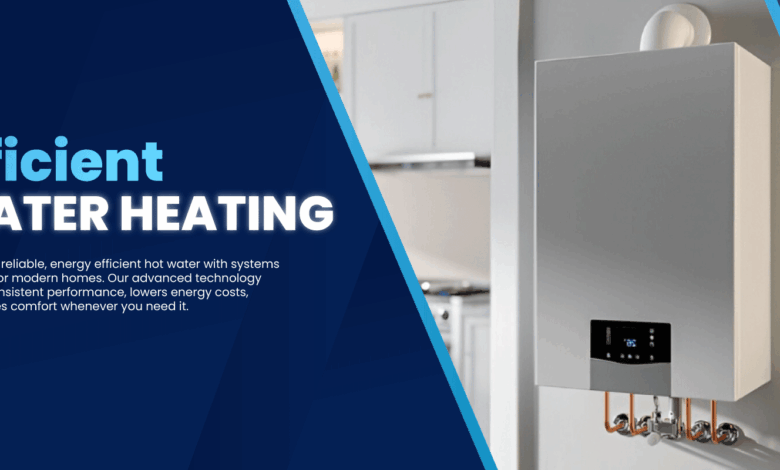
When your HVAC system starts to act up, it’s crucial to recognize the signs that indicate it might need an upgrade. Ignoring these signs can lead to inefficient heating and cooling, higher energy bills, and even costly repairs down the line. Here are some key indicators that your HVAC system may need an upgrade, and why addressing these issues promptly can improve both comfort and efficiency.
1. Age of the HVAC System
The age of your HVAC system plays a significant role in determining its efficiency. If your system is over 10-15 years old, it’s likely time for an upgrade. Older systems are less energy-efficient and may struggle to maintain consistent temperatures. Moreover, as technology advances, newer models offer improved features, better energy savings, and reduced environmental impact.
If your HVAC system is outdated, consider replacing it with a newer, energy-efficient model. This will save you money in the long run by reducing your energy consumption and improving overall comfort in your home.
2. Frequent Breakdowns
Constant breakdowns are a strong signal that your HVAC system is no longer operating efficiently. If you find yourself calling a repair technician more frequently than usual, it’s a good idea to evaluate whether it’s worth fixing your current system or upgrading to a new one.
Repeated repairs often add up, and replacing an old, unreliable unit with a new one could prevent further headaches. Plus, modern systems come with warranties, giving you peace of mind and reducing unexpected expenses.
3. Rising Energy Bills
If your energy bills are skyrocketing despite using your HVAC system less, it’s a clear indication that something is wrong. An old or inefficient HVAC system consumes more energy to heat or cool your home, leading to higher utility bills.
Consider having your system inspected to determine if it’s operating at full capacity. If it’s not, replacing it with a more energy-efficient model can significantly lower your monthly energy costs. Newer models are designed to be more efficient, which helps you save money while also contributing to environmental sustainability.
4. Uneven Temperatures
When your HVAC system can’t evenly distribute air throughout your home, it results in uncomfortable temperature fluctuations. If certain rooms are too hot or cold, the system may be struggling to keep up with demand. This uneven cooling or heating indicates that your system is no longer capable of maintaining optimal conditions.
An upgrade can resolve these issues by improving air distribution and enhancing overall comfort. Newer models come equipped with advanced features like zoning systems, which allow you to control temperatures in different areas of your home more effectively.
5. Unusual Noises or Smells
Hearing strange noises such as banging, clanking, or screeching from your HVAC system could be a sign that it’s nearing the end of its lifespan. Similarly, persistent foul smells may indicate mold or a buildup of dirt and debris in the system, which could lead to poor air quality.
If your HVAC system is making unsettling noises or emitting unpleasant odors, it may be time to replace it. Newer systems are designed to operate quietly and with improved filtration to provide better indoor air quality.
6. Inconsistent Airflow
Weak or inconsistent airflow is another red flag. If your HVAC system can’t blow air at the right pressure, it’s likely struggling to function properly. This issue often occurs when the system’s components are worn out, or there’s a buildup of dirt and dust in the ducts.
Upgrading to a more efficient HVAC system can eliminate airflow problems, ensuring that your home maintains consistent, comfortable temperatures. Newer systems come with advanced technology to optimize airflow and improve overall efficiency.
7. Higher Humidity Levels
Your HVAC system should not only regulate temperature but also control humidity. If your system struggles to maintain balanced humidity levels, it can lead to discomfort, especially in hot, humid climates. High humidity can also promote mold growth and other health issues.
Modern HVAC systems include humidity control features, which can help keep your indoor environment comfortable and healthy. By upgrading to a new system, you can eliminate humidity-related problems and create a more pleasant living space.
Conclusion
If you’ve noticed any of these signs, it’s time to evaluate your HVAC system’s performance. Upgrading to a newer, more efficient model can save you money, improve comfort, and reduce environmental impact. Don’t wait for your HVAC system to fail completely – a timely upgrade can bring lasting benefits to your home and your wallet.
If you’re unsure whether it’s time for an upgrade, consult with a professional HVAC technician who can assess your system and recommend the best course of action.


