
How Trapstar Became the UK’s Most Iconic Streetwear Label
How Trapstar Became the UK’s Most Iconic Streetwear Label
Introduction
In the ever-evolving world of street fashion, Trapstar has cemented its place as more than just a clothing brand—it’s a cultural icon. From its grassroots beginnings in West London to its global recognition, Trapstar is now hailed as the UK’s most iconic streetwear label. Worn by everyone from rap royalty and global superstars to fashion-forward youth, the brand has become synonymous with rebellion, authenticity, and high-impact design. But how exactly did Trapstar rise from underground hype to an internationally respected streetwear powerhouse?
In this article, we take an in-depth look at how Trapstar achieved legendary status, exploring the brand’s origin story, cultural impact, and the strategic moves that brought it to the forefront of global fashion.
1. The Birth of Trapstar in West London
Trapstar was born in the early 2000s, the brainchild of friends Mike, Lee, and Will, who shared a vision of creating a brand that spoke directly to London’s street culture. Starting with customized t-shirts sold from the back of a car, the brand built its following organically through word-of-mouth and authenticity. At a time when few UK streetwear brands were gaining global traction, Trapstar stood out for its unique voice and DIY ethos.
The brand’s mysterious slogan—“It’s A Secret”—added to its allure, creating a sense of underground exclusivity that attracted early adopters and tastemakers alike.
2. Bold Branding and Instantly Recognizable Aesthetics
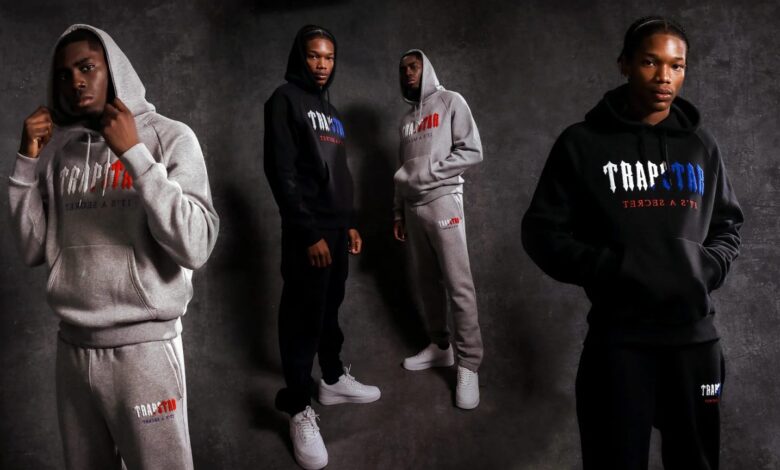
Trapstar’s visual identity played a massive role in its rise. Featuring Gothic fonts, dark palettes, and aggressive logo placements, the designs resonated with a generation seeking style that felt powerful and rebellious. From oversized puffers with signature logos to tracksuits and graphic tees, every Trapstar piece makes a statement.
Key Style Signatures:
- Large embroidered logos on the back
- Black, red, and reflective color schemes
- “It’s A Secret” and “Fully Paid” slogans
- High-end silhouettes with street-ready cuts
This consistency in design helped Trapstar create a strong brand identity—making their clothing recognizable even from a distance.
3. Deep Roots in UK Music and Culture
Trapstar’s success isn’t just about fashion—it’s deeply tied to music and lifestyle. From the start, the brand aligned itself with the UK rap and grime scene, becoming a uniform for artists like Stormzy, Skepta, Dave, Central Cee, and Giggs. These organic endorsements gave Trapstar a credibility that no marketing campaign could buy.
As these artists rose in popularity, so did Trapstar. It became clear that Trapstar wasn’t just being worn by musicians—it was embedded in the culture they helped build.
4. The Roc Nation Deal – Going Global
In 2012, Trapstar achieved a major milestone when Jay-Z’s Roc Nation invested in the brand, opening the door to international markets. This move marked the brand’s transition from a local underground label to a globally recognized fashion house.
The Roc Nation co-sign introduced Trapstar to a wider audience, helping it gain traction in the US, Europe, and Asia. With celebrities like Rihanna, The Weeknd, Meek Mill, and A$AP Rocky rocking the brand, Trapstar evolved from a niche UK favorite into a worldwide streetwear heavyweight.
5. Limited Drops and Hype Strategy
Trapstar mastered the art of exclusivity through limited-edition drops and capsule collections. Rather than flooding the market, they carefully released small batches of pieces—often with little to no notice—creating a buzz every time a drop went live.
This scarcity tactic has:
- Driven resale prices up on platforms like StockX and Grailed
- Created anticipation for each new release
- Helped maintain the brand’s elite street status
Fans don’t just buy Trapstar—they hunt for it.
6. High-Quality Craftsmanship and Design
Trapstar isn’t just about hype. The brand puts a premium on quality and fit. Each garment is made with high-grade materials, detailed embroidery, and tailored fits that set it apart from fast fashion.
Design Highlights:
- Durable construction with attention to detail
- Luxe-feeling fabrics with a streetwear silhouette
- Custom zippers, patches, and hardware
By combining quality with culture, Trapstar ensures their products don’t just look good—they feel premium and last.
7. Collaborations That Matter
Over the years, Trapstar has collaborated with major brands like PUMA, merging street culture with sportswear innovation. These collaborations allow the brand to expand its reach without diluting its core identity, appealing to both die-hard streetwear fans and broader audiences.
Whether through joint sneaker releases, co-branded jackets, or curated pop-up shops, these projects keep Trapstar fresh and in-demand.
8. Community-Driven Growth
Despite its global fame, Trapstar never lost touch with its community. The brand still connects with fans through pop-up events, social media engagement, and surprise drops. By staying grounded in its roots, Trapstar continues to earn the loyalty of those who supported it from day one.
Their presence at local music events, cultural festivals, and UK street culture showcases further cements Trapstar as a brand of the people, for the people.
Conclusion
From a West London bedroom to the global streetwear spotlight, Trapstar’s rise is a story of authenticity, culture, and calculated growth. It’s more than a brand—it’s a movement, a mindset, and a reflection of modern urban identity. With its strong cultural roots, bold design language, and smart expansion strategies, Trapstar has rightfully earned its title as the UK’s most iconic streetwear label.
Whether you’re a long-time fan or just discovering the brand, one thing is certain: Trapstar isn’t just fashion—it’s a way of life. And as it continues to grow and influence future generations, its impact on street culture will remain undeniable.


