
Pest Control: Protecting Health, Property, and Peace of Mind
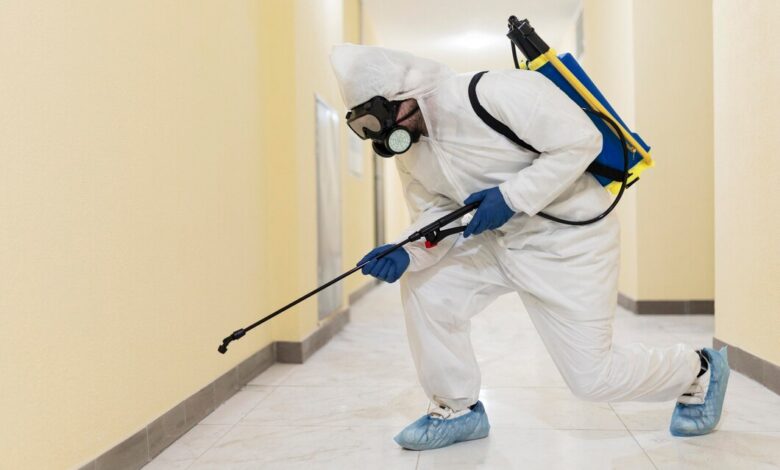
Pest control is an essential aspect of maintaining healthy homes, productive businesses, and safe public spaces. From small household nuisances like ants and cockroaches to larger threats such as rodents and termites, pests can cause significant damage to property, contaminate food, and spread disease. Effective pest control is not just about eliminating unwanted creatures—it is about prevention, management, and long-term protection.
Understanding Pests and Their Impact
Pests are organisms that interfere with human activities, agriculture, or natural ecosystems. Common household pests include insects such as ants, cockroaches, bed bugs, and mosquitoes, as well as rodents like rats and mice. In agricultural settings, pests can include beetles, caterpillars, fungi, and even birds that damage crops.
The impact of pests can be serious:
-
Health Risks: Many pests carry diseases. Mosquitoes transmit illnesses such as malaria and dengue fever. Rodents can spread leptospirosis and hantavirus. Cockroaches may trigger allergies and asthma.
-
Property Damage: Termites and carpenter ants destroy wood structures. Rodents chew through wiring, insulation, and even plumbing.
-
Food Contamination: Pests can contaminate stored food with droppings, urine, or bacteria, leading to foodborne illnesses.
-
Psychological Stress: Infestations can cause anxiety, embarrassment, and sleep disturbances, especially in the case of bed bugs.
Understanding the type of pest and the extent of infestation is the first step toward effective control.
Types of Pest Control Methods
Modern pest control uses a variety of strategies, often combining multiple approaches for the best results.
1. Chemical Control
Chemical pesticides are among the most commonly used methods for controlling pests. These include insecticides, rodenticides, fungicides, and herbicides. While effective, chemical treatments must be used responsibly to avoid environmental contamination and harm to non-target species, including pets and humans.
Professional pest control companies are trained to apply chemicals safely and in appropriate quantities. Regulations in many countries require licensed technicians to handle certain pesticides to ensure safety standards are met.
2. Biological Control
Biological pest control uses natural predators, parasites, or pathogens to manage pest populations. For example, ladybugs are often introduced to control aphid populations in gardens. In agriculture, biological methods can reduce reliance on chemical pesticides and support sustainable farming practices.
This approach is particularly popular in organic farming and integrated pest management programs.
3. Mechanical and Physical Control
Mechanical methods involve traps, barriers, and manual removal. Examples include:
-
Mouse traps and bait stations
-
Fly screens on windows
-
Sealing cracks and gaps in walls
-
Installing door sweeps
Physical methods also include temperature treatments, such as heat treatments for bed bugs or freezing techniques for stored product pests.
4. Cultural Control
Cultural control focuses on modifying human behavior and environmental conditions to reduce pest attraction. This includes proper waste management, regular cleaning, correct food storage, and eliminating standing water where mosquitoes breed.
In agriculture, crop rotation and proper irrigation practices are common cultural strategies to reduce pest populations.
Integrated Pest Management (IPM)
One of the most effective and environmentally responsible approaches to pest control is Integrated Pest Management (IPM). IPM combines biological, chemical, physical, and cultural methods to manage pests in a sustainable way.
The key principles of IPM include:
-
Inspection and Monitoring: Identifying pests and assessing infestation levels.
-
Prevention: Eliminating conditions that attract pests.
-
Control: Using targeted treatments only when necessary.
-
Evaluation: Reviewing the effectiveness of the strategy and adjusting as needed.
IPM minimizes risks to people, pets, and the environment while maintaining effective pest suppression.
Residential Pest Control
In homes, prevention is the cornerstone of pest control. Simple steps can significantly reduce the likelihood of infestations:
-
Keep kitchens clean and wipe up spills immediately.
-
Store food in sealed containers.
-
Dispose of garbage regularly in tightly closed bins.
-
Seal cracks and gaps around doors, windows, and pipes.
-
Maintain landscaping to prevent overgrown vegetation near the house.
When infestations occur, homeowners may attempt DIY solutions. However, persistent or severe problems—such as termite colonies or widespread bed bug infestations—often require professional intervention. Licensed pest control services can conduct thorough inspections, identify hidden nesting sites, and implement comprehensive treatment plans.
Commercial and Industrial Pest Control
Businesses, particularly those in the food service, hospitality, and healthcare sectors, must maintain strict pest control standards. An infestation can result in health code violations, damaged reputation, and financial loss.
Commercial pest control programs often include:
-
Routine inspections
-
Documentation and compliance reporting
-
Customized treatment plans
-
Staff training on prevention practices
Industries such as warehouses and manufacturing plants also require specialized pest management strategies to protect stored goods and equipment.
Environmental and Ethical Considerations
While pest control is necessary, it must be carried out responsibly. Overuse of chemical pesticides can harm beneficial insects such as bees, contaminate soil and water, and contribute to pesticide resistance.
Sustainable pest control emphasizes:
-
Reduced chemical use
-
Target-specific treatments
-
Non-toxic alternatives
-
Protection of biodiversity
Public awareness about environmental impact has encouraged the development of greener pest control products and methods.
Emerging Technologies in Pest Control
Technological advancements are transforming the pest control industry. Smart traps equipped with sensors can detect and report rodent activity in real time. Drones are used in agriculture to monitor crop health and apply treatments precisely. Data analytics helps professionals predict pest trends based on climate and environmental factors.
Eco-friendly innovations, such as botanical insecticides derived from plant extracts, are also gaining popularity as safer alternatives to synthetic chemicals.
The Importance of Professional Expertise
Although some pest problems can be managed independently, professional pest control technicians offer expertise that ensures long-term solutions. They are trained to:
-
Identify pest species accurately
-
Understand pest life cycles
-
Apply treatments safely and effectively
-
Recommend preventive measures
Hiring a reputable company provides not only immediate relief but also ongoing monitoring to prevent recurrence.
Conclusion
Pest control plays a critical role in protecting public health, preserving property, and maintaining quality of life. Whether in homes, businesses, or agricultural settings, effective pest management requires a combination of prevention, monitoring, and targeted intervention. By embracing integrated approaches and sustainable practices, individuals and organizations can control pests responsibly while safeguarding the environment.
Ultimately, pest control is not merely about eliminating unwanted organisms—it is about creating safe, hygienic, and comfortable spaces where people can live and work without disruption.


