
Street Style Influence of Motorcycle Gear Globally
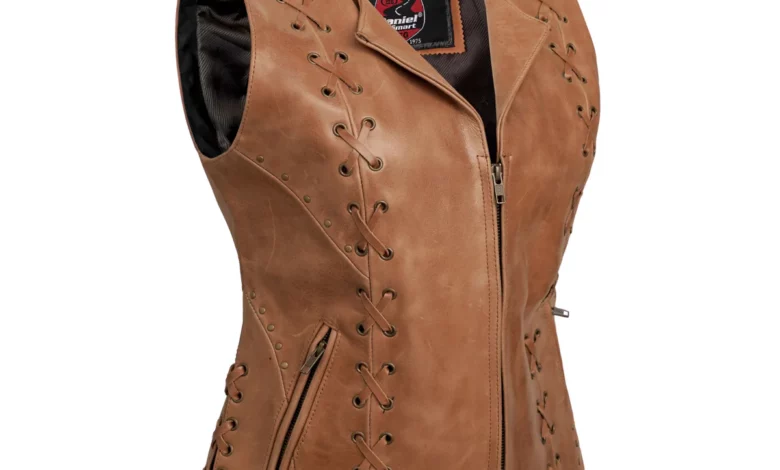
Motorcycle apparel has evolved far beyond its original function as purely protective equipment. Today, it plays a significant role in shaping global street style culture, influencing fashion designers, urban wear trends, and consumer behavior across major cities worldwide. Items such as the canvas motorcycle vest and leather-based riding gear have transitioned from functional riding essentials into mainstream fashion statements, frequently appearing in casual wear collections, music subcultures, and urban fashion editorials.
This transformation is rooted in the intersection of utility and identity. Motorcycle gear communicates ruggedness, independence, and authenticity—qualities that resonate strongly in contemporary streetwear culture. As global fashion continues to blend performance wear with lifestyle aesthetics, motorcycle apparel stands as a key contributor to this hybrid movement.
Global Street Style Influence of Motorcycle Gear
Motorcycle gear has become a visual language within street style ecosystems across North America, Europe, and parts of Asia. Its influence is particularly visible in urban centers such as Los Angeles, Tokyo, London, and Berlin, where subcultures often dictate mainstream fashion direction.
The appeal of motorcycle apparel in street fashion stems from three core attributes:
- Functional authenticity rooted in safety engineering
- Visual boldness driven by leather textures, hardware, and silhouette structure
- Cultural association with rebellion, freedom, and individuality
These attributes allow motorcycle-inspired garments to seamlessly integrate into both high fashion runways and everyday urban wear.
Evolution of Motorcycle Apparel in Street Fashion
Motorcycle apparel originally prioritized abrasion resistance, impact protection, and weather durability. According to general motorcycle safety standards documented in Motorcycle Safety Gear literature, early gear focused on helmets, leather jackets, and reinforced boots as essential protective equipment.
Over time, fashion designers began adapting these elements for non-riding contexts. The transformation followed a pattern:
- Functional protective gear adoption by subcultures (bikers, punk, rock)
- High-fashion reinterpretation by luxury brands
- Mass-market adaptation in streetwear collections
This evolution positioned motorcycle apparel as a permanent fixture in global fashion ecosystems rather than a niche functional category.
Key Garments: Leather and Canvas Vests in Global Fashion
Among the most influential items shaping street style today are leather and canvas motorcycle vests. These garments represent the convergence of practicality and identity expression.
A modern example of this cultural crossover can be seen in specialized riding apparel collections such as the curated designs found in premium vest categories like the womens leather motorcycle vest, which reflects both protective engineering and fashion-forward styling.
Leather Motorcycle Vests in Street Culture
Leather motorcycle vests have historically symbolized rebellion and freedom, particularly within biker communities. Over time, they have been absorbed into mainstream fashion due to their:
- Structured silhouette that enhances layering in streetwear
- Natural abrasion resistance and durability
- Association with rock, punk, and urban motorcycle culture
In modern fashion contexts, leather vests are often styled over hoodies, oversized tees, or tactical-inspired outfits, reinforcing their versatility beyond riding environments.
Canvas Motorcycle Vest and Utility Streetwear Trends
The canvas motorcycle vest has emerged as a lightweight, utilitarian alternative to leather. Its influence in street fashion is tied to the broader rise of workwear aesthetics and tactical fashion.
Key characteristics driving its popularity include:
- Breathable and weather-adaptable fabric structure
- Multiple utility pockets and modular design elements
- Alignment with “functional streetwear” trends
Canvas vests are especially prominent in urban Asian streetwear scenes, where layering and modular clothing systems are highly valued. The canvas motorcycle vest also aligns with minimalist fashion movements that prioritize function over ornamentation while maintaining a rugged visual identity.
Functional vs Fashion: The Dual Role of Motorcycle Apparel
Motorcycle gear exists at a unique intersection between performance and aesthetics. While originally engineered for rider safety, its adoption in fashion contexts introduces a dual-purpose framework.
From a functional standpoint, motorcycle apparel incorporates:
- Abrasion-resistant materials (leather, reinforced textiles)
- Impact protection zones (shoulders, spine, elbows in jackets)
- Environmental resistance (wind, heat, rain durability)
From a fashion standpoint, the same features contribute to:
- Structured silhouettes that enhance body definition
- Industrial aesthetics appealing to modern streetwear trends
- Layering flexibility for seasonal styling
This dual identity is one of the primary reasons motorcycle apparel remains relevant in global fashion cycles.
Regional Influences on Motorcycle Street Style
North America
In the United States, motorcycle gear is heavily influenced by Harley-Davidson culture and the broader biker movement. Streetwear brands frequently incorporate leather vests, distressed textures, and vintage aesthetics inspired by highway riding culture.
Europe
European fashion tends to emphasize refinement and minimalism. Motorcycle apparel is often integrated into high-fashion collections, particularly in cities like Milan and Paris, where designers reinterpret protective gear into luxury streetwear pieces.
Asia
In Japan and South Korea, motorcycle-inspired fashion is closely tied to avant-garde streetwear. The canvas motorcycle vest is particularly popular due to its adaptability, lightweight structure, and compatibility with layered styling systems.
Expert Insights and Best Practices in Motorcycle-Inspired Fashion
Industry professionals and apparel designers emphasize that successful integration of motorcycle gear into street fashion requires balancing authenticity with innovation.
Key best practices include:
- Maintaining functional design integrity while adapting silhouettes for lifestyle use
- Prioritizing material durability even in fashion-oriented adaptations
- Ensuring cultural respect for biker and rider communities
- Avoiding over-stylization that removes practical identity elements
These strategies are effective because they preserve the original meaning of motorcycle apparel while allowing it to evolve within fashion ecosystems.
Experts also highlight the importance of modular design, especially in canvas-based garments, where adaptability and layering flexibility significantly increase usability in urban environments.
Common Mistakes and Misconceptions
Despite its popularity, motorcycle-inspired fashion is often misunderstood or misapplied in design contexts.
Common issues include:
- Treating motorcycle gear as purely decorative, ignoring functional origins
- Overloading garments with unnecessary hardware, reducing comfort
- Misrepresenting biker culture through inaccurate styling stereotypes
- Using low-quality materials that fail to reflect original protective intent
Another frequent misconception is that motorcycle apparel is only relevant to riders. In reality, its influence extends deeply into mainstream fashion, music culture, and youth identity systems.
Conclusion
The influence of motorcycle gear on global street style reflects a broader shift in fashion toward functional authenticity and cultural storytelling. From leather-based heritage garments to the adaptable canvas motorcycle vest, motorcycle apparel continues to shape how individuals express identity through clothing.
Its evolution from protective riding equipment to a dominant streetwear influence demonstrates the power of subcultural aesthetics in defining mainstream fashion trends. As global fashion continues to merge utility with design innovation, motorcycle-inspired apparel is expected to remain a foundational element of urban style systems.
FAQs
Why has motorcycle gear become popular in global street fashion?
Motorcycle gear has gained popularity due to its association with authenticity, rebellion, and functional design. These qualities align strongly with modern streetwear values, which prioritize individuality and expressive styling.
What makes a canvas motorcycle vest different from traditional leather gear?
A canvas motorcycle vest is lighter, more breathable, and better suited for layering. Unlike leather, it emphasizes utility and adaptability rather than heavy-duty protection alone.
How does motorcycle apparel influence modern fashion designers?
Designers often borrow structural elements such as reinforced stitching, hardware detailing, and utility pockets to create hybrid fashion pieces that merge performance and aesthetics.
Is motorcycle gear still functional when adapted for streetwear?
In many cases, yes. While some fashion adaptations reduce protective features, high-quality pieces still retain durability, abrasion resistance, and structural integrity.
Why is layering important in motorcycle-inspired street style?
Layering enhances both aesthetics and functionality. It allows garments like the canvas motorcycle vest to integrate with hoodies, jackets, and tees while maintaining mobility and comfort.
How did biker culture contribute to fashion trends?
Biker culture introduced leather jackets, vests, and rugged accessories into mainstream fashion, influencing punk, rock, and later urban streetwear movements.


