
The Smart Traveller’s Guide to Trolley Bags: What to Look For Before You Buy
From Cabin to Check-in: How to Choose the Right Trolley Bag for Every Trip
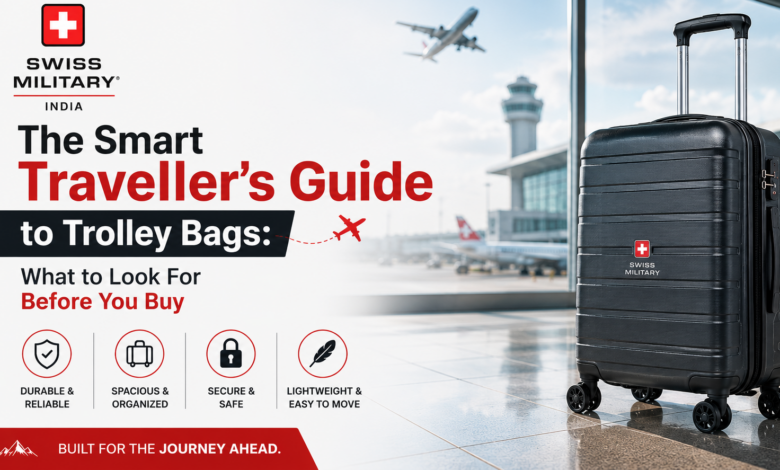
Whether you’re heading out on a weekend trip or a month-long adventure, the bag you choose can make or break your travel experience. Trolley bags have become the go-to choice for millions of travellers — and for good reason. They’re versatile, easy to manoeuvre, and come in enough varieties to suit virtually every need.
But not all trolley bags are created equal. In this guide, we’ll walk you through everything you need to know to pick the right one — from materials and size to features that genuinely matter on the road.
Why Trolley Bags Remain the Gold Standard for Travel
Backpacks have their fans, and duffel bags have their moments, but trolley bags consistently win out for one simple reason: they do the heavy lifting for you. Smooth-rolling wheels and an extendable handle mean you’re not straining your back through airport terminals or hotel corridors.
Modern trolley bags have also evolved far beyond their clunky predecessors. Today’s options are lightweight, hard-wearing, and thoughtfully designed — with compartments, compression straps, and even TSA-approved locks built right in.
Size Guide: Picking the Right Capacity
Getting the size right is the most important decision you’ll make. Here’s a quick breakdown:
Cabin/Carry-on (20–22 inches) Perfect for short trips of 3–5 days. Fits in overhead bins on most airlines, saving you time and baggage fees. Look for a capacity between 35–45 litres.
Medium (24 inches) The sweet spot for week-long trips. Enough space for 7–10 days of clothing without being unwieldy. Most travellers find this size handles the vast majority of their journeys.
Large (28–30 inches) Designed for extended travel or families packing for multiple people. Worth it if you’re moving between destinations infrequently, but it does require checked baggage on most flights.
Pro tip: Always check your airline’s specific size and weight restrictions before purchasing. Policies vary more than most people expect.
Hard Shell vs. Soft Shell: Which Is Right for You?
Hard shell trolley bags offer excellent protection for fragile items and are generally easier to wipe clean. They’re also harder for thieves to slash open. The trade-off is that they don’t flex — you can’t squeeze in that extra pair of shoes at the last minute.
Soft shell bags are more forgiving in terms of capacity and often weigh less. They also tend to have exterior pockets, which are convenient for items you need quick access to. The downside is that they’re more vulnerable to rain and rough handling.
Many travellers own one of each for different purposes.
What to Look For in a Quality Trolley Bag
Wheels and Handles
The wheel system is where you should spend your scrutiny. Four 360-degree spinner wheels offer effortless movement and reduce hand fatigue, especially in airports. Two-wheel options (rollers) are better on uneven terrain like cobblestones.
The handle should lock at multiple heights and feel solid — not wobbly — when extended. Cheap handles are one of the most common points of failure in budget bags.
Materials and Build Quality
Polycarbonate and ABS plastic are the most common hard shell materials. Polycarbonate is lighter and more flexible (meaning it absorbs impact rather than cracking). For soft shells, look for ballistic nylon or high-denier polyester — both handle abrasion well.
Check the zippers. YKK zippers are considered the industry standard and are worth seeking out specifically.
Interior Organisation
A good trolley bag should have a main compartment with compression straps, a separate zip-away section for shoes or toiletries, and ideally a few mesh pockets. If you’re travelling for business, a garment sleeve or suit divider is a worthwhile bonus.
Trolley Bags for Business Travellers
If you travel frequently for work, your bag needs to pull double duty — practical enough for the road, polished enough for the boardroom.
Many business travellers pair a medium trolley bag with a dedicated laptop bag for their tech and documents. This combination keeps essentials accessible without rummaging through packed clothes. The laptop bag rides on top of the trolley via the luggage strap sleeve — a small feature that makes a significant difference when you’re rushing between meetings and gates.
When choosing laptop bags for men in a work context, look for padded compartments that fit your specific laptop size (15-inch vs. 13-inch matters here), a quick-access pocket for your boarding pass and phone, and a neutral colour that works across professional settings.
Pairing Your Trolley Bag With Other Luggage
Few trips require just one bag. Most travellers end up building a small system — typically a large checked trolley bag combined with a carry-on or personal item.
Luggage bags that nest or stack together are far more practical than buying pieces at random. Many brands sell matching sets: a large checked bag, a cabin-size trolley, and a day bag that all share the same wheel and handle system. This matters because a uniform set moves as a cohesive unit — the smaller bag sits on top of the larger one without sliding around.
For family travel, colour-coding your luggage bags makes identification at the carousel much faster and nearly eliminates the embarrassing moment of grabbing someone else’s black suitcase.
Top Features Worth Paying Extra For
Some upgrades genuinely earn their price premium:
- TSA-approved combination locks — built-in locks that security can open without cutting your zipper
- USB charging ports — increasingly common on premium bags; useful but requires a power bank inside
- Packing cubes compatibility — the bag’s interior dimensions matter; measure before you buy cubes
- Lifetime warranty — brands like Away, Rimowa, and Samsonite back their premium lines with substantial guarantees
- Expandable capacity — a zip-out section adds 10–15% extra space for the return journey when souvenirs accumulate
Budget vs. Premium: Is It Worth Spending More?
Honest answer: it depends on how often you travel.
If you take two trips a year, a well-reviewed mid-range bag in the ₹3,000–₹7,000 range will serve you well for years. If you’re on planes monthly, investing in a premium option with a solid warranty and superior wheels pays dividends in convenience and durability.
The biggest mistake travellers make is buying the cheapest available option and replacing it every couple of years. Over a decade, a single quality bag almost always costs less than a string of budget replacements.
Caring for Your Trolley Bag
A few simple habits extend the life of any bag considerably:
- Don’t overstuff. Filling a bag beyond its rated capacity strains zippers and seams.
- Clean the wheels regularly. Hair and thread wrapped around wheel axles are the most common cause of roller failure.
- Store upright. Keeping bags on their base preserves wheel alignment.
- Use a luggage cover for checked bags. Even a simple cover prevents scuffs and makes your bag easier to spot.
Final Thoughts
The right trolley bag is one you stop thinking about — it does its job quietly while you focus on the trip itself. Take your time with the decision, prioritise build quality over aesthetics, and match the size to how you actually travel rather than how you imagine you might travel.
A good bag is an investment that pays back in comfort and peace of mind every single time you leave home.
Have questions about choosing the right travel gear? Leave a comment below — we’d love to help.


