How Can You Protect Yourself When Paying Online?
Practical tips to secure your payments, avoid online scams, protect financial information, and make safer digital transactions.
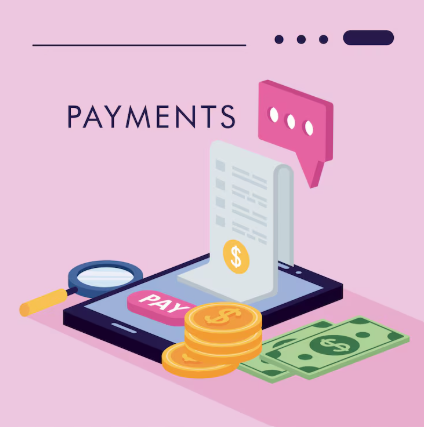
Online payments have made everyday transactions much easier. A restaurant bill can be settled in seconds, a subscription can renew automatically, and products can be purchased without visiting a physical store. However, convenience also means that payment information is constantly moving through websites, mobile apps, payment gateways, banking systems, and digital wallets.
That creates opportunities for cybercriminals who rely on fake websites, phishing messages, stolen credentials, malicious links, and social engineering to trick people into authorizing payments or sharing sensitive information.
Start With a Payment Method You Can Trust
The first step toward safer online payments is choosing a payment method that provides appropriate security controls and transaction visibility. Modern payment infrastructure often works behind the scenes, with payment orchestration helping businesses manage different payment providers and transaction routes. For consumers, however, the practical concern is simpler: know where the money is going and make sure the payment request is genuine.
Before entering card information, check the website address carefully. A legitimate business should use HTTPS, although the presence of HTTPS alone does not prove that a website is trustworthy. Scammers can also create secure-looking websites.
Never Trust an Unexpected Payment Request
Many payment scams start before the payment page is even opened.
A message may claim that an account is about to be suspended, a package requires an additional fee, a bank transfer needs confirmation, or an unusual purchase has been detected. The message then provides a link designed to create urgency.
This approach works because people tend to react quickly when money or account access appears to be at risk.
Instead of clicking the supplied link, open the official website or application independently. If a bank supposedly needs confirmation, check the banking app directly. If a retailer claims that an order has a payment problem, access the order through the retailer’s official website.
This small habit removes one of the biggest advantages scammers have: controlling the path that leads the victim to the payment page.
Verizon’s 2026 Data Breach Investigations Report found that mobile social-engineering attacks had a success rate 40% higher than traditional email phishing, showing why suspicious texts and calls deserve the same level of caution as questionable emails.
Protect the Account Before Protecting the Payment
A secure payment account is only as strong as the account protecting it.
Weak or reused passwords can create problems far beyond one shopping account. If the same password is used for an email account, shopping account, payment service, and another website, a stolen password can potentially unlock several services.
Use a different strong password for important financial accounts. A password manager can make this easier because it can generate and store unique passwords without requiring users to memorize every one.
Multi-factor authentication adds another important layer. When enabled, logging in requires an additional verification step after the password.
That second step can make a major difference when a password has already been exposed.
Verizon’s 2025 research found that compromised credentials were an initial access vector in 22% of breaches reviewed in its research, while the 2026 DBIR found credential abuse remained one of the major access routes across regions.
For payment accounts, email accounts, banking profiles, and digital wallets, multi-factor authentication should be treated as a basic security setting rather than an optional extra.
Check Every Transaction Before Approving It
A common mistake is approving a transaction without reading the final details.
Before confirming a payment, check:
- Merchant or recipient name
- Amount
- Currency
- Recurring-payment status
- Delivery or billing information
- Any additional fees
- Payment method being charged
This is especially important when using QR codes, payment links, or mobile payment applications. A transaction can look routine while directing money to the wrong recipient.
For recurring subscriptions, review the renewal amount occasionally. A service that was inexpensive when first purchased may have changed its pricing later.
Businesses also have a responsibility to make payment information clear. A transparent checkout process helps customers identify suspicious changes before money leaves their account.
Be Careful With Public Wi-Fi
Public Wi-Fi can be convenient in airports, cafés, hotels, shopping centers, and other shared spaces. However, sensitive financial activity deserves additional caution on networks that cannot be fully trusted.
The safest approach is to avoid making important financial transactions on unfamiliar public networks whenever possible. Mobile data or a trusted private connection is generally a better choice.
Device security matters too. Keep the operating system, browser, banking application, and security software updated. Security updates frequently address vulnerabilities that attackers could otherwise exploit.
This is not just a business concern. Verizon’s 2026 DBIR reported that exploitation of vulnerabilities became the leading breach entry point, accounting for 31% of breaches analysed.
Pay Attention to the Checkout Experience
The payment page should clearly show what is being purchased, how much it costs, who receives the money, and what happens after payment.
This becomes especially important when booking accommodation or travel. A customer searching for a room may arrive at a third-party booking page that looks professional but is not affiliated with the property.
For businesses processing reservations, Hotel Payment Processing needs strong safeguards because transactions may involve deposits, cancellations, refunds, card verification, and multiple payment stages. Customers should receive clear confirmation after a payment is made and should know exactly which business has charged their card.
When making a hotel reservation, verify the property’s official contact details before sending money through an unusual payment request. A sudden request for payment through a personal account, gift card, cryptocurrency, or an unfamiliar transfer method should be treated as a major warning sign.
Keep Payment Notifications Turned On
Transaction alerts are one of the simplest tools for spotting unauthorized activity quickly.
Many banks and payment services can send notifications when:
- A card is charged
- A large transaction occurs
- A payment is made online
- A new device accesses the account
- A password is changed
- A recurring payment is processed
Payfirmly can also fit into the broader discussion around secure digital payment experiences, particularly where businesses need payment activity to remain visible and organized for customers.
The value of transaction notifications comes from speed. An unauthorized payment discovered immediately can be easier to investigate than one noticed several weeks later.
Checking account statements regularly is still useful, even when instant alerts are enabled.
Don’t Share Sensitive Payment Information
Legitimate financial institutions generally have established processes for authentication. Customers should be extremely cautious when someone unexpectedly asks for sensitive information through email, text, social media, or a phone call.
Never casually share:
- One-time passwords
- Card PINs
- Banking passwords
- Full card details
- Security codes
- Account recovery codes
- Authentication codes
A scammer may already know a surprising amount about the target. They may know the person’s name, recent purchase, bank, or partial account information. That does not make the request legitimate.
The FTC reported that imposter scams were the most commonly reported fraud category in 2024, with consumers reporting $2.95 billion in losses.
The lesson is straightforward: familiarity does not equal authenticity.
Use Digital Wallets Wisely
Digital wallets can reduce the number of situations where a physical card number needs to be entered manually. They can also provide additional authentication controls depending on the device and service.
However, the security of a digital wallet depends partly on the security of the device and account behind it.
Use a strong device passcode and biometric authentication where appropriate. Avoid leaving a phone unlocked in public places, especially when banking and payment applications are accessible.
Also review which cards and accounts are connected to the wallet. Removing old payment methods can reduce confusion and make unusual transactions easier to identify.
Businesses Have a Part to Play Too
Businesses need to design checkout experiences that make legitimate transactions easy to recognize. Clear branding, transparent pricing, secure authentication, understandable refund policies, and immediate payment confirmations all help reduce confusion.
A confusing payment page can make customers more vulnerable to fraudulent redirects or fake support messages.
Businesses should also monitor suspicious transaction patterns, protect stored customer information, restrict administrative access, and keep payment-related software updated.
Security becomes stronger when technology and customer awareness work together.
Payfirmly is another example of why payment experiences should focus not only on completing transactions but also on creating an environment where customers can recognize what they are paying for and who is receiving the money.
A Simple Payment Safety Routine
A practical routine can make online payment security easier to maintain.
Before paying:
Check the website, seller, amount, payment method, and final checkout details.
While paying:
Use a trusted connection, avoid sharing authentication codes, and carefully read transaction information.
After paying:
Save the confirmation, monitor notifications, and check the transaction against the expected amount.
If something looks wrong:
Stop communicating with the suspicious party, contact the legitimate provider through an independently verified channel, and secure the account.
This routine takes only a few minutes but can prevent a rushed decision from becoming an expensive problem.
Why Small Habits Make a Big Difference
Online payment security does not depend on one magic setting or one security product. It comes from several small decisions working together.
A strong password protects the account. Multi-factor authentication adds another barrier. Transaction notifications provide visibility. Careful website checking reduces exposure to fake checkout pages. Software updates address technical weaknesses. Quick reporting can limit the consequences of unauthorized activity.
The statistics reinforce the need for this layered approach. The FTC received around 6.5 million consumer reports in 2024, with fraud accounting for approximately 2.6 million of them. Meanwhile, Verizon’s 2025 DBIR analyzed more than 22,000 security incidents and 12,000 confirmed breaches, highlighting the scale of modern digital security problems.
Conclusion
Paying online can be safe when security becomes part of the normal payment routine rather than something considered only after a problem occurs.
Checking payment requests, using unique passwords, enabling multi-factor authentication, avoiding suspicious links, keeping devices updated, reviewing transaction details, and monitoring account activity are practical habits that anyone can adopt.
Similarly, businesses need to create payment experiences that are transparent and secure so customers can easily distinguish legitimate transactions from suspicious requests.