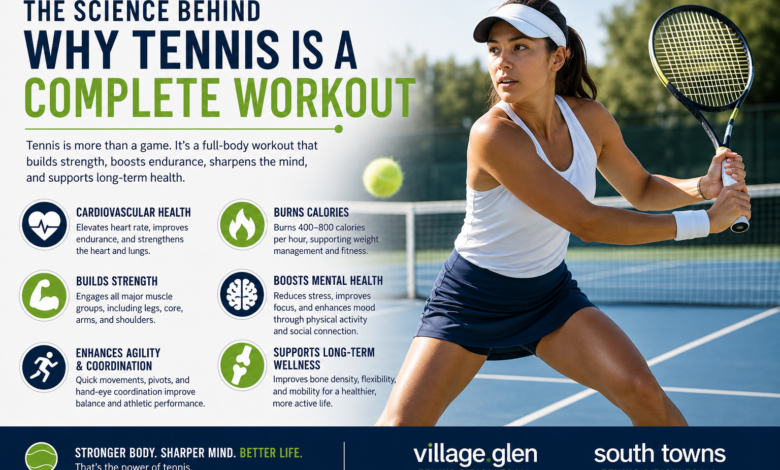
Developing a successful athlete is about much more than winning matches or excelling in a single season. True athletic success comes from a long-term approach that prioritizes skill development, physical health, mental resilience, and a lifelong love for sport. Whether a child is just beginning their athletic journey or an experienced player is working toward higher levels of competition, following proven long-term athletic development (LTAD) principles can create a strong foundation for lasting success.
At facilities such as Village Glen Tennis & Pickleball and South Towns Tennis & Pickleball, athletes of all ages have opportunities to develop skills in a structured, supportive environment. By focusing on gradual progression rather than short-term results, players can improve performance while reducing the risk of burnout and injury.
Understanding Long-Term Athletic Development
Long-term athletic development is a framework designed to help athletes reach their full potential over time. Rather than emphasizing early specialization or immediate competitive success, LTAD focuses on age-appropriate training and progressive skill building.
The goal is to develop well-rounded athletes who possess strong movement skills, sport-specific abilities, physical fitness, and mental toughness. This approach recognizes that athletic growth occurs in stages and that each stage requires different training priorities.
For tennis and pickleball players, this means learning fundamental movement patterns before advancing to more complex techniques and competitive strategies.
Prioritize Fundamental Movement Skills
One of the most important aspects of long-term athletic development is mastering fundamental movement skills. Running, jumping, balancing, throwing, catching, and coordination form the basis of athletic performance across all sports.
Young athletes who develop these foundational skills often find it easier to learn advanced sport-specific techniques later. Strong movement fundamentals improve agility, balance, reaction time, and overall athletic confidence.
Programs at Village Glen Tennis often incorporate movement drills and athletic conditioning exercises that help players build these essential skills while keeping training engaging and enjoyable.
Rather than rushing into advanced competition, athletes benefit from spending time developing proper movement mechanics early in their athletic journey.
Focus on Progressive Skill Development
Athletic development should follow a logical progression. Attempting advanced techniques before mastering the basics can lead to poor habits, frustration, and increased injury risk.
In tennis and pickleball, progressive skill development typically includes:
- Learning proper grip and stroke mechanics
- Developing footwork patterns
- Improving hand-eye coordination
- Building consistency and control
- Introducing tactical decision-making
- Refining advanced strategies and competitive skills
Coaches play a critical role in guiding athletes through these stages. Quality instruction ensures players learn proper techniques from the beginning, making future development more effective.
Facilities such as South Towns Tennis & Pickleball emphasize structured learning pathways that allow athletes to advance at a pace appropriate for their age and ability level.
Encourage Multi-Sport Participation
Research consistently shows that young athletes benefit from participating in multiple sports rather than specializing too early. Different sports develop different movement patterns, physical abilities, and cognitive skills.
For example, soccer can improve endurance and footwork, basketball enhances agility and coordination, and swimming supports cardiovascular fitness and overall conditioning. These complementary skills can ultimately improve tennis and pickleball performance.
Multi-sport participation also helps reduce overuse injuries by varying movement demands throughout the year. Most importantly, it keeps sports enjoyable and prevents mental fatigue.
As athletes mature and identify specific goals, specialization may become more appropriate. However, a broad athletic foundation often leads to better long-term outcomes.
Prioritize Physical and Mental Wellness
Athletic development extends beyond physical training. Mental wellness, recovery, nutrition, and healthy lifestyle habits are equally important components of long-term success.
Athletes should learn the importance of:
- Proper hydration
- Balanced nutrition
- Adequate sleep
- Stress management
- Recovery strategies
- Positive mindset development
Mental resilience is particularly valuable in individual sports such as tennis and pickleball. Players frequently face challenges, setbacks, and competitive pressure. Learning how to manage emotions and maintain confidence can significantly influence performance.
Coaches, parents, and training programs should create supportive environments that emphasize growth, effort, and learning rather than focusing solely on results.
Prevent Burnout and Overtraining
One of the greatest threats to long-term athletic success is burnout. Young athletes who experience excessive training loads, unrealistic expectations, or constant pressure may lose motivation and eventually leave their sport altogether.
Signs of burnout may include:
- Chronic fatigue
- Declining performance
- Reduced enthusiasm
- Increased irritability
- Frequent injuries
Long-term development requires balance. Athletes need time for recovery, social activities, family life, and academic responsibilities. Rest is not a sign of weakness—it is a critical part of performance improvement.
Programs that value athlete well-being alongside competitive success are more likely to produce healthy, motivated athletes who remain engaged for years.
Create a Lifelong Love for Sport
The ultimate goal of long-term athletic development is not simply producing elite competitors. It is helping individuals enjoy physical activity and sport throughout their lives.
Athletes who develop positive experiences during childhood and adolescence are more likely to remain active as adults. This contributes to improved physical health, mental well-being, and overall quality of life.
Facilities like Village Glen Tennis & Pickleball provide opportunities for recreational players, competitive athletes, families, and adults to stay involved in sports at every stage of life. By creating welcoming and supportive environments, these programs help foster lifelong participation and enjoyment.
Conclusion
Long-term athletic development is a proven approach that prioritizes sustainable growth, healthy progression, and lifelong participation in sport. By focusing on fundamental movement skills, progressive training, multi-sport experiences, mental wellness, and injury prevention, athletes can build a strong foundation for future success.
Whether training at Village Glen Tennis, participating in programs at Village Glen Tennis & Pickleball, or developing skills at South Towns Tennis & Pickleball, athletes benefit most when development is viewed as a journey rather than a race. The result is not only improved performance but also a lifelong appreciation for sport, fitness, and personal growth.