Building Resilience and Skill: Youth Kickboxing Training Explained
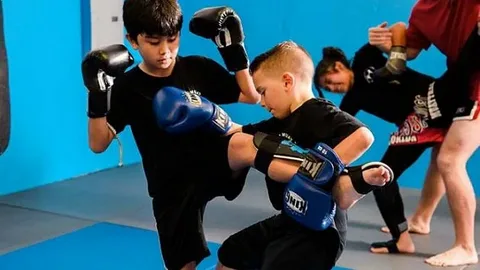
Parents seek structured activities that build discipline and physical fitness. A kickboxing for kids program delivers both elements through controlled, age-appropriate training. Instructors teach fundamental striking techniques, defensive positioning, and cardiovascular conditioning. Children practice controlled footwork while learning to manage their energy levels. Coaches emphasize sportsmanship and respect during every drill. Consequently, young athletes develop confidence without relying on aggression. The training environment prioritizes safety and progressive skill development. Furthermore, participants experience measurable improvements in coordination and focus.
Physical Development and Motor Skill Enhancement
Young athletes gain significant physical benefits from structured striking training. A kick boxing class for kids focuses on developing core stability, leg strength, and hand-eye coordination. Instructors break down complex movements into manageable steps. Children practice jab-cross combinations while maintaining proper guard positions. Additionally, they execute controlled front kicks and roundhouse techniques. The repetition builds neuromuscular pathways that improve overall agility. Moreover, the high-intensity intervals boost cardiovascular endurance. Participants learn to regulate their breathing during sustained exertion. As a result, their stamina increases noticeably across other sports and daily activities. Coaches monitor form closely to prevent strain. They adjust impact levels to match each child’s developmental stage.
Mental Discipline and Emotional Regulation
Martial arts training extends far beyond physical conditioning. A kickboxing class for kids cultivates mental resilience through repetitive practice and goal setting. Children learn to process frustration when mastering difficult techniques. Instructors guide them through breathing exercises that lower stress levels. Consequently, students apply these coping strategies in school and social settings. Furthermore, the structured environment teaches impulse control. Young fighters must wait for cues before striking a target. This delay builds patience and strategic thinking. Coaches reward effort rather than natural talent. Therefore, participants develop a growth mindset that encourages continuous improvement. The mental framework directly supports academic focus and personal accountability.
Core Curriculum Structure
Effective programs follow a standardized progression system. Quality kids kick boxing classes incorporate three essential phases during each session.
- Warm-up routines increase blood flow and prepare joints for impact.
- Technical drills isolate specific strikes, blocks, and evasive movements.
- Conditioning circuits combine strength work with agility ladder exercises.
Instructors demonstrate each technique before allowing supervised practice. Children pair up to practice defensive parries with light contact pads. Coaches correct stance width and hip rotation in real time. Accordingly, this methodical process eliminates guesswork and accelerates learning curves. Participants advance only after mastering safety protocols.
Safety Protocols and Injury Prevention
Proper safety measures form the foundation of any reputable program. Kickboxing classes Dubai and international facilities adhere to strict equipment standards. Young athletes wear mouthguards, hand wraps, and approved headgear during sparring drills. Instructors enforce controlled intensity to protect developing bones and joints. Moreover, coaches teach proper fall mechanics and balance recovery. Students practice checking their surroundings before executing wide kicks. This awareness prevents accidental collisions on the mats. Additionally, facilities maintain sanitized training floors and well-ventilated spaces. Medical personnel remain on standby for high-level competitions. Parents should verify certification credentials before enrolling their children. Reputable organizations prioritize long-term health over rapid progression.
Selecting the Right Training Facility
Parents must assess several factors before choosing a program. Effective kick boxing for kids initiatives employ certified instructors with verifiable teaching experience. Coaches maintain small class ratios to provide individualized feedback. Facilities display clear progress tracking systems and belt ranking criteria. Furthermore, trial sessions allow children to test the training environment. Observers should watch how instructors manage group dynamics and correct technique. They must also verify insurance coverage and emergency response procedures. Quality programs welcome parental questions and provide transparent curriculum outlines. The right match aligns with the child’s maturity level and fitness goals. A supportive community amplifies long-term commitment and enjoyment.
Long-Term Behavioral and Social Benefits
Consistent participation yields lasting personal development. Structured kick boxing classes for kids foster teamwork and mutual respect. Students learn to assist peers during challenging drills and conditioning exercises. Instructors model appropriate conflict resolution strategies outside the ring. Consequently, participants carry these social skills into classroom interactions. Furthermore, the achievement of technical milestones builds self-efficacy. Children recognize that dedication produces measurable results. This realization reduces anxiety around academic and extracurricular challenges. Coaches celebrate incremental progress rather than flawless execution. Therefore, young athletes develop realistic expectations and healthy self-esteem. The training philosophy directly supports holistic character development.
Progression Pathways and Goal Setting
Sustainable growth requires clear milestones and consistent feedback. Kickboxing classes for kids implement tiered curriculum modules that match age groups. Initially, beginners focus on basic stance, light pad work, and coordination games. Subsequently, intermediate students advance to combination drilling and light sparring scenarios. Ultimately, advanced participants train tactical movement and controlled power application. Instructors conduct regular skill assessments to track development. They adjust training loads based on physical maturity and technique proficiency. Parents should encourage realistic goal setting alongside their children. Tracking progress through training journals reinforces accountability. The structured pathway ensures continuous motivation without overwhelming young minds.
Geographic Considerations and Local Programs
Regional training centers adapt curricula to local sports standards. Families searching for kickboxing classes for kids in Dubai will find facilities that blend traditional martial arts with modern fitness science. Coaches incorporate heat-acclimation protocols and hydration management into daily sessions. Local organizations frequently host inter-gym tournaments to test competitive readiness. Additionally, community outreach programs introduce martial arts to underserved neighborhoods. These initiatives promote youth engagement and healthy lifestyle habits. Consequently, parents should verify accreditation with regional sports authorities. Reputable centers maintain updated safety certifications and qualified staff rosters. The local market offers diverse options to match varying schedules and budgets. Careful research guarantees a positive training experience.
Conclusion
Youth martial arts training delivers measurable physical and psychological advantages. Consistent practice strengthens coordination while building mental resilience. Coaches provide structured guidance that transforms raw energy into focused discipline. Children learn valuable life skills through controlled competition and cooperative drills. The training environment fosters accountability, respect, and strategic thinking. Parents gain peace of mind knowing their children develop healthy coping mechanisms. Ultimately, the right program aligns with individual learning styles and long-term wellness goals. Careful facility selection ensures a safe and enriching experience. The investment in structured athletic development pays dividends well beyond adolescence.
Read more exciting blogs on generalposting.com