
Why Bees Hover Around Doors and How to Redirect Them
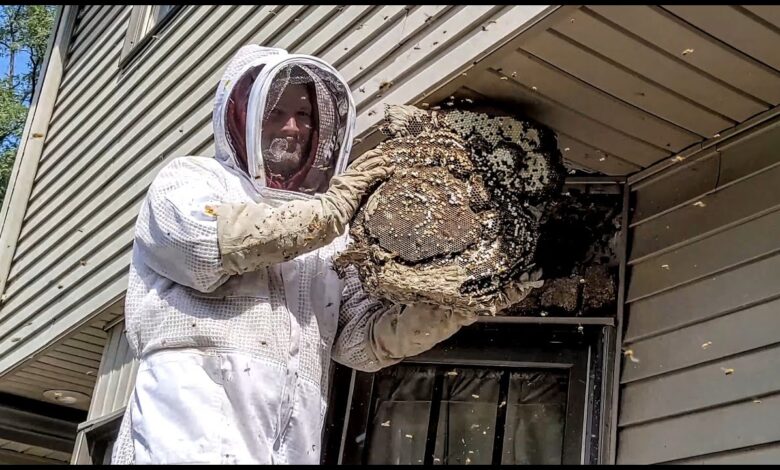
Many homeowners become concerned when they notice a bee repeatedly hovering near a front door, patio entrance, garage access point, or backyard doorway. The behavior can seem unusual, especially when there are no visible flowers or food sources nearby. However, there are several natural reasons why pollinators may spend time around entrances, and understanding these reasons is the first step toward managing the situation effectively.
Doorways often serve as transition zones between indoor and outdoor environments. Warm air escaping through small gaps, attractive scents from inside the home, moisture accumulation, and structural features can all draw attention from insects exploring their surroundings. In many cases, hovering behavior is not aggressive but investigative. Pollinators constantly search for food, water, shelter, and suitable nesting locations. When a doorway offers one or more of these resources, activity may increase.
The design of modern homes can also contribute to the issue. Decorative lighting, wooden trim, weathered frames, and architectural crevices create sheltered spaces that may appear attractive to insects. During warmer months, sunlight often heats door frames and surrounding walls, producing conditions that some species find favorable.
Common Reasons Pollinators Gather Near Residential Entrances
When a bee repeatedly appears near a doorway, there is usually a specific environmental factor encouraging the behavior. Identifying these factors allows homeowners to make targeted adjustments rather than relying on ineffective solutions. One common attraction is moisture. Small water sources around entrances often go unnoticed by homeowners. Condensation from air-conditioning systems, dripping outdoor faucets, irrigation overspray, and even damp soil near foundations can provide hydration opportunities. During hot weather, pollinators actively seek water to support colony health and individual survival.
Flowering plants positioned near entrances frequently contribute to increased activity. Landscaping around front doors often includes colorful flowers, decorative shrubs, and container gardens designed to enhance curb appeal. While beautiful, these features naturally attract pollinators searching for nectar and pollen. Lighting can also play a role. Exterior fixtures create warmth and may attract various insects during evening hours. Although pollinators are generally active during daylight, the presence of other insects near lighting can indirectly influence activity patterns around entrances.
Structural gaps deserve attention as well. Cracks in siding, spaces behind trim, openings around utility lines, and weathered wood may appear suitable for nesting or shelter. Pollinators investigating these areas may spend considerable time hovering nearby. Human activity sometimes contributes unexpectedly. Outdoor dining, sweet beverages, fruit bowls, pet food, and trash containers positioned near entrances can attract foraging insects. Even small food residues may encourage repeated visits.
Seasonal changes significantly affect behavior. During spring, pollinators search actively for nesting sites and food sources. Summer often brings increased foraging activity, while late-season conditions may encourage exploration of sheltered locations.
How to Redirect Bee Activity Without Causing Harm
The most effective approach to managing a bee near a doorway focuses on redirection rather than elimination. Pollinators provide essential ecological services, making humane solutions both environmentally responsible and highly effective. Landscape adjustments often produce excellent results. If flowering plants are positioned directly beside an entrance, relocating some of them farther from the doorway can encourage activity elsewhere. Creating dedicated pollinator gardens away from frequently used entrances supports biodiversity while reducing interactions near doorways.
Water management is equally important. Fixing leaks, adjusting irrigation systems, and eliminating unnecessary moisture sources helps remove one of the primary attractions. If pollinators require water, providing a designated source farther from the home may encourage them to focus their activity elsewhere. Air circulation can also discourage hovering behavior. Gentle airflow generated by outdoor fans may make specific areas less attractive without harming insects. This technique is particularly useful for patios, porches, and outdoor seating spaces connected to entrances.
In some situations, homeowners discover that activity stems from an established colony hidden within a wall cavity, roofline, or nearby structure. When professional evaluation becomes necessary, some individuals research a bee removal service in Fountain Valley to better understand humane relocation methods and environmentally responsible management options. Professional guidance can be especially valuable when pollinators establish themselves in locations that create safety concerns or structural issues.
Patience remains important throughout the process. Pollinators often follow established foraging routes and may continue visiting familiar locations temporarily even after attractants are reduced. Consistent management typically produces gradual improvements over time.
Home Maintenance Strategies That Reduce Doorway Visits
Preventing recurring activity around entrances requires ongoing attention to maintenance and property care. Small improvements often have a significant impact on how attractive a doorway appears to pollinators. Regular inspections are one of the most effective preventive measures. Homeowners should examine door frames, weather stripping, siding, trim, and nearby structures for signs of wear or damage. Addressing minor issues early prevents them from becoming larger concerns later.
Cleaning routines contribute more than many people realize. Sweet residues from beverages, food preparation, or outdoor entertaining may accumulate around entrances. Maintaining clean surfaces helps eliminate odors that attract foraging insects. Door seals deserve particular attention. Properly installed weather stripping reduces airflow, moisture intrusion, and scent leakage. These improvements enhance energy efficiency while minimizing factors that attract pollinators.
Exterior lighting should be evaluated periodically. Choosing fixtures that minimize unnecessary attraction while maintaining safety and visibility supports a more balanced outdoor environment. Placement and design often matter more than brightness alone. Vegetation management remains essential. Shrubs, vines, and ornamental plants growing directly against the home may create sheltered conditions and conceal developing maintenance issues. Adequate spacing improves airflow and accessibility.
Storage areas near entrances should also be monitored. Stacked wood, decorative materials, unused furniture, and garden supplies can provide shelter opportunities. Keeping these items organized reduces attractive hiding places. Moisture control supports both structural health and prevention efforts. Gutters, downspouts, drainage systems, and irrigation equipment should function properly to prevent water accumulation near foundations and entry points.
Creating a Balanced Environment for People and Pollinators
Successfully managing a bee around residential doorways involves balancing human comfort with environmental responsibility. Pollinators play an essential role in ecosystems, supporting plant reproduction, food production, and biodiversity. Their presence in the environment is beneficial even when occasional interactions occur near homes. Creating designated habitat areas is one of the most effective long-term strategies. Pollinator-friendly gardens positioned away from entrances provide attractive alternatives that encourage activity in more suitable locations. Native plants, flowering shrubs, and seasonal blooms support healthy ecosystems while reducing pressure on doorways.
Modern outdoor living trends increasingly emphasize sustainability. Homeowners recognize that environmental stewardship and personal comfort can coexist successfully. Thoughtful design, maintenance, and planning allow both objectives to be achieved. Technology and innovation continue to support these goals. Improved building materials, landscaping techniques, and maintenance practices offer new opportunities to reduce unwanted interactions without harming beneficial insects.
Understanding why a bee hovers around doors begins with recognizing the environmental factors that attract pollinators. Moisture, scent, warmth, structural features, and nearby landscaping all influence behavior. By addressing these factors through thoughtful maintenance, strategic landscaping, and humane redirection techniques, homeowners can reduce activity near entrances while supporting the important ecological role pollinators play. This balanced approach protects both property and biodiversity, creating outdoor environments that remain welcoming, comfortable, and environmentally responsible throughout the year.


