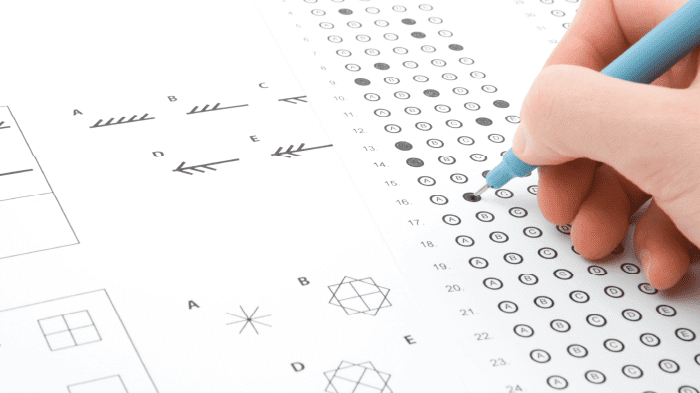
The internet has made intelligence testing more accessible than ever before. With just a few clicks, anyone can take an online IQ test and receive a score within minutes. These tests often promise to reveal your intellectual potential, compare your intelligence with famous geniuses, or even estimate your future success. This growing popularity has led many people to ask, how accurate are online IQ tests when it comes to measuring real intelligence?
The answer is more complex than a simple yes or no. While some online IQ tests are designed by qualified psychologists and follow recognized testing principles, many others are created purely for entertainment or marketing purposes. As a result, the quality, reliability, and accuracy of online IQ tests vary significantly.
This article explores how accurate are online IQ tests, how they compare with professionally administered intelligence tests, what they can and cannot measure, and how to interpret online IQ scores responsibly.
What Are Online IQ Tests?
Online IQ tests are digital assessments that attempt to estimate a person’s cognitive abilities. Most consist of multiple choice questions designed to evaluate skills such as reasoning, problem solving, memory, and pattern recognition.
Depending on the website, an online IQ test may include questions involving:
- Logical reasoning
- Number sequences
- Pattern recognition
- Visual puzzles
- Spatial reasoning
- Vocabulary
- Analogies
- Memory tasks
Some tests take only ten minutes, while others require forty minutes or more.
Many websites provide instant results, often accompanied by explanations of what each score supposedly means.
How Accurate Are Online IQ Tests?
When asking how accurate are online IQ tests, the most honest answer is that accuracy depends entirely on the quality of the test.
Some professionally developed online assessments can provide a reasonable estimate of cognitive ability. These tests are based on established psychological research and use carefully designed questions.
However, many free online IQ tests have significant limitations.
Some are created primarily to attract website traffic rather than provide meaningful psychological assessment. Others use unvalidated scoring methods or include questions that have little connection to recognized intelligence testing.
Because of these differences, two online IQ tests can produce dramatically different scores for the same individual.
How Professional IQ Tests Differ
Professional intelligence tests are developed through years of scientific research.
Licensed psychologists typically administer standardized assessments under carefully controlled conditions.
These tests undergo extensive evaluation to ensure they are:
- Reliable
- Valid
- Consistent
- Fair across different populations
- Statistically accurate
Professional IQ tests also compare an individual’s performance with large groups of people of similar age.
This standardization makes the results far more dependable than most online alternatives.
Factors That Affect Online IQ Test Accuracy
Several factors influence how accurate are online IQ tests.
Test Design
A well designed assessment includes carefully selected questions that measure multiple aspects of cognitive ability.
Poorly designed tests may rely on repetitive puzzles or random trivia instead of genuine reasoning skills.
Standardization
Professional IQ tests are standardized using thousands of participants.
Many online tests have never been scientifically validated, making their scores much less reliable.
Testing Environment
Professional testing occurs in quiet environments with controlled conditions.
Online tests are often completed at home where distractions, interruptions, or outside assistance may affect performance.
Time Limits
Some online tests use unrealistic time limits that create unnecessary pressure.
Others allow unlimited time, which may encourage participants to search for answers instead of solving problems independently.
Both situations can reduce the accuracy of results.
Motivation
People taking online IQ tests may approach them differently.
Some participants take the questions seriously, while others rush through them or answer randomly.
Motivation has a significant effect on test performance.
What Online IQ Tests Measure Well
Although online assessments have limitations, many can still evaluate certain cognitive abilities.
These often include:
- Pattern recognition
- Logical reasoning
- Basic mathematical thinking
- Visual problem solving
- Short term memory
- Analytical thinking
If a test is carefully designed, these areas can provide useful information about specific intellectual strengths.
However, even high quality online assessments should not be viewed as complete measures of intelligence.
What Online IQ Tests Cannot Measure
One reason people ask how accurate are online iq tests is because intelligence is much broader than any single assessment.
Most online IQ tests cannot fully measure qualities such as:
- Creativity
- Emotional intelligence
- Leadership
- Practical problem solving
- Social skills
- Curiosity
- Motivation
- Persistence
- Adaptability
- Wisdom
These characteristics often contribute significantly to success in education, careers, and everyday life.
Someone with an average IQ may achieve remarkable accomplishments because of determination and creativity, while someone with a very high IQ may struggle without those qualities.
The Difference Between IQ and Intelligence
IQ and intelligence are closely related but not identical.
IQ tests measure specific cognitive abilities using standardized questions.
Intelligence is a much broader concept that includes many different forms of thinking and learning.
Modern psychologists recognize several dimensions of intelligence, including:
- Logical intelligence
- Linguistic intelligence
- Spatial intelligence
- Musical intelligence
- Interpersonal intelligence
- Intrapersonal intelligence
- Naturalistic intelligence
- Creative intelligence
Most online IQ tests focus primarily on logical and analytical reasoning.
As a result, they provide only a partial picture of overall intellectual ability.
Why Online IQ Scores Often Vary
Many people notice that different websites produce different IQ scores.
This is one reason how accurate are online IQ tests remains such a common question.
Several factors explain these differences.
First, each website uses different questions.
Second, scoring methods vary widely.
Third, many online tests are not based on standardized psychological research.
Fourth, practice effects may improve scores if someone has taken similar tests before.
Because of these variables, online IQ scores should be viewed as rough estimates rather than definitive measurements.
Can Online IQ Tests Be Useful?
Despite their limitations, online IQ tests can still provide value when used appropriately.
They may help people:
- Practice logical reasoning
- Improve pattern recognition
- Develop problem solving skills
- Identify cognitive strengths
- Enjoy intellectual challenges
Some professionally designed online assessments can also offer reasonable estimates that encourage further evaluation if needed.
The key is understanding that these tests should not replace comprehensive psychological assessment.
Common Misconceptions About Online IQ Tests
Several myths contribute to confusion about how accurate are online IQ tests.
Myth One: Every Online IQ Test Is Scientifically Valid
Many websites advertise impressive sounding assessments without providing evidence that their tests have been scientifically evaluated.
Professional validation requires extensive research that many online platforms have never conducted.
Myth Two: A Single Score Defines Intelligence
No single number can fully describe human intelligence.
People possess unique combinations of reasoning ability, creativity, emotional awareness, practical knowledge, and communication skills.
Myth Three: Online IQ Scores Predict Life Success
While IQ can influence academic performance and certain careers, success depends on many additional factors.
Hard work, resilience, emotional intelligence, creativity, discipline, and opportunity often play equally important roles.
Should You Trust Free Online IQ Tests?
Free online IQ tests can be entertaining and educational, but they should be interpreted cautiously.
Before taking one, consider the following questions:
- Who created the test?
- Is it based on recognized psychological research?
- Has it been scientifically validated?
- Does the website explain how scores are calculated?
- Are qualified psychologists involved in its development?
If these questions cannot be answered, the results should be viewed primarily as informal estimates.
When Professional IQ Testing Is Appropriate
There are situations where professional intelligence testing is more appropriate than online assessments.
Examples include:
- Educational evaluations
- Learning disability assessments
- Gifted program placement
- Clinical psychological evaluations
- Cognitive health assessments
- Neuropsychological testing
Licensed psychologists use standardized instruments that provide much more reliable and comprehensive results than typical online tests.
Tips for Taking Online IQ Tests
If you decide to take an online IQ test, you can improve the usefulness of your results by following a few simple guidelines.
Choose a quiet environment with minimal distractions.
Read each question carefully before answering.
Avoid searching for answers online during the test.
Take the assessment when you are well rested and focused.
Remember that the score represents only one estimate of certain cognitive abilities rather than your complete intellectual potential.
Final Thoughts
The question how accurate are online IQ tests does not have a single answer because online assessments vary greatly in quality. Some professionally developed tests can provide useful estimates of reasoning ability and cognitive performance, while many free online tests are designed mainly for entertainment and should not be considered scientifically reliable.
Ultimately, intelligence is far more complex than any online score can capture. Creativity, emotional intelligence, curiosity, perseverance, communication skills, and practical problem solving all contribute to real world success. While online IQ tests can be enjoyable and sometimes informative, they should be viewed as starting points rather than definitive measures of intelligence. For accurate evaluation, especially in educational or clinical settings, professionally administered standardized IQ tests remain the most reliable option.