
How Often Should You Get a Septic Tank Inspection?
If your property uses a septic system, keeping it in good condition is essential. A key part of this upkeep is a routine septic tank inspection. But how often should you have one done? In this article, we’ll break down how frequently you should inspect your system and why it’s so important for your home and the environment.
What Is a Septic Tank and How Does It Function?
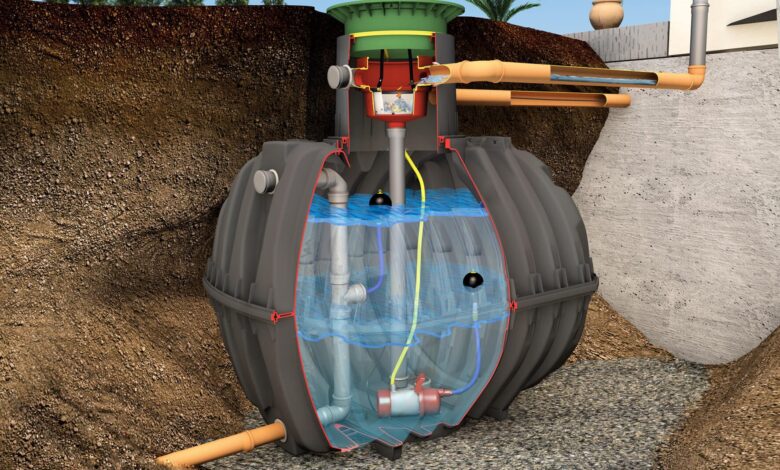
A septic tank is an underground structure designed to manage and treat wastewater from your home. Water from your sinks, toilets, and washing machines flows into the tank. Inside, solid waste settles to the bottom, while liquids flow into a drain field where they are further treated by the soil.
Without regular maintenance, the system can develop issues such as clogs, leaks, or overflows. That’s why scheduling a septic tank inspection is necessary to avoid bigger problems down the road.
How Often Should You Inspect Your Septic Tank?
Most professionals recommend a septic tank inspection every 3 to 5 years. However, this timeline may vary depending on several factors:
-
Number of Occupants: The more people in your home, the more wastewater your system must handle.
-
Tank Size: Smaller tanks may reach capacity faster and require more frequent inspections.
-
Water Usage Habits: High water consumption can strain your system and lead to a need for earlier inspections.
-
System Age: Older systems tend to need more frequent checks due to wear and tear.
For a more accurate schedule, it’s best to consult a certified septic inspector who can assess your specific system.
Why Septic Tank Inspections Are Essential
Skipping regular septic tank inspections can lead to unexpected and costly problems. Here’s why these inspections matter:
1. Avoid Expensive Repairs
Detecting small issues early prevents them from turning into major repairs, like drain field replacements or system overhauls.
2. Protect Health and Safety
A failing septic system can expose your home and yard to harmful bacteria and raw sewage. Regular inspections help prevent such risks.
3. Extend the Life of Your Septic System
With consistent maintenance, a septic system can last 20 to 30 years. Neglecting inspections can significantly reduce its lifespan.
4. Preserve the Environment
Leaks or overflows from septic systems can contaminate soil and water sources. Inspections help ensure your system isn’t harming the environment.
What Happens During a Septic Tank Inspection?
A professional septic tank inspection includes several steps:
-
Site Check: The inspector examines the area around the tank and drain field for signs of trouble like pooling water, foul odors, or soggy ground.
-
Tank Opening: The lid is removed to inspect water levels, baffles, and internal components.
-
Measuring Sludge Levels: The inspector uses a tool to check how much solid waste has built up in the tank.
-
Drain Field Assessment: The area where treated water is absorbed is checked for signs of failure or saturation.
-
Maintenance Suggestions: If the tank is near full or damaged, the inspector may recommend pumping or repairs.
Warning Signs That You Need an Inspection Sooner
Even if your last septic tank inspection was recent, watch out for these red flags:
-
Slow drains throughout your home
-
Unpleasant odors indoors or near the tank
-
Standing water or soggy patches in your yard
-
Sewage backup into your sinks or toilets
If any of these issues occur, contact a septic service provider immediately.
Conclusion
Routine septic tank inspections are a crucial part of responsible home maintenance. While a three-to-five-year inspection cycle works for most households, you may need more frequent checks depending on usage and system age.
With regular inspections, you can:
-
Avoid expensive emergency repairs
-
Maintain a healthy living environment
-
Ensure your system lasts for decades
-
Reduce your environmental impact
If it’s been a while since your last check-up, now is a great time to schedule your next septic tank inspection. Trust a reliable provider like Guardian Angel Inspection Services to help keep your system safe, efficient, and worry-free.
Free post – Click Here


