
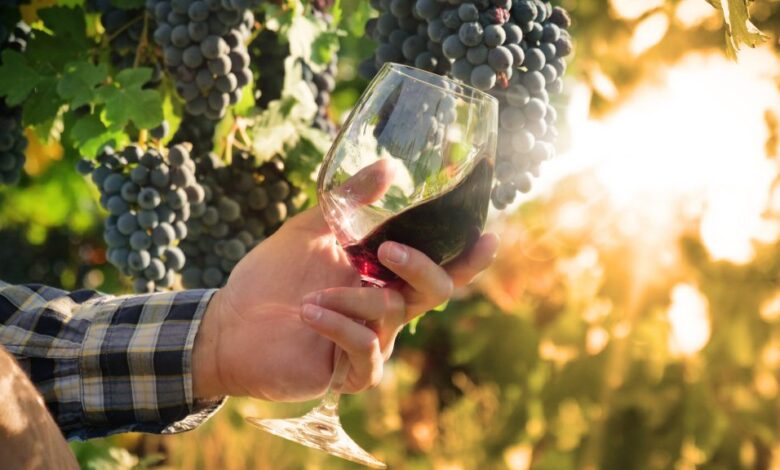
As consumers become more environmentally conscious, the wine industry is experiencing a significant shift toward sustainability. Wine lovers today are not only interested in flavor and quality but also in how their favorite bottles are produced.
Sustainable winemaking practices focus on protecting natural resources, preserving biodiversity, reducing carbon emissions, and supporting healthy ecosystems. Among the many options available, several producers stand out for their commitment to environmental responsibility and organic cultivation.
Organic wine brands are made from grapes grown without synthetic pesticides, herbicides, or chemical fertilizers. This approach promotes healthier soil, cleaner water systems, and improved biodiversity in vineyards. While sustainability extends beyond organic farming, many leading wineries combine both principles to create exceptional products while minimizing their environmental impact.
Why Sustainability Matters in Winemaking
Traditional agriculture can place significant pressure on the environment through chemical use, excessive water consumption, and soil degradation. Sustainable wineries seek to address these challenges by adopting eco-friendly farming techniques and energy-efficient production methods.
Key sustainability practices include:
- Organic and biodynamic farming
- Water conservation programs
- Renewable energy usage
- Reduced packaging waste
- Carbon footprint reduction
- Wildlife habitat preservation
- Soil regeneration and composting
These efforts not only benefit the environment but also contribute to healthier vineyards that produce high-quality grapes year after year.
Bonterra Organic Estates
Bonterra Organic Estates has earned a reputation as one of the most environmentally responsible wineries in the United States. Located in California’s Mendocino County, the company has spent decades refining organic wine brands farming methods that prioritize soil health and biodiversity.
The winery utilizes cover crops, composting systems, and natural pest management strategies to maintain thriving vineyards without relying on synthetic chemicals. Bonterra also invests in renewable energy and sustainable packaging solutions to reduce its environmental impact.
Its wines consistently receive praise for balancing excellent flavor with eco-conscious production, making the brand a popular choice among sustainability-minded consumers.
Emiliana Vineyards
Based in Chile, Emiliana Vineyards is one of the world’s largest producers of organically cultivated wines. The winery has embraced a holistic approach that integrates organic and biodynamic farming principles throughout its operations.
Animals such as sheep, alpacas, and chickens play important roles in vineyard management by naturally controlling weeds and pests. This reduces the need for machinery and chemical interventions while supporting ecosystem balance.
Emiliana’s dedication to sustainability extends to worker welfare, biodiversity conservation, and responsible resource management. These efforts have helped establish the company as a global leader in environmentally friendly winemaking.
King Estate Winery
Located in Oregon, King Estate Winery is recognized for its commitment to sustainable agriculture and land stewardship. The estate manages thousands of acres of farmland using organic practices designed to protect natural habitats and enhance soil vitality.
The winery incorporates renewable energy initiatives and carefully monitors water use to minimize environmental impact. Native plants and wildlife corridors are maintained throughout the property, creating a diverse ecosystem that benefits both nature and grape production.
King Estate demonstrates how large-scale wine operations can successfully combine commercial success with environmental responsibility.
Domaine Bousquet
Argentina’s Domaine Bousquet has become synonymous with sustainable viticulture in South America. Situated in the high-altitude vineyards of Mendoza, the winery benefits from natural growing conditions that reduce disease pressure and support organic cultivation.
The company focuses heavily on soil preservation, efficient irrigation systems, and renewable energy usage. By leveraging the region’s unique climate, Domaine Bousquet produces premium wines while limiting the need for artificial interventions.
Its commitment to sustainability has earned international recognition and a loyal following among eco-conscious wine enthusiasts.
Frog’s Leap Winery
Frog’s Leap Winery in California’s Napa Valley is widely respected for pioneering environmentally responsible vineyard management. The winery employs dry farming techniques, which significantly reduce water consumption while encouraging deeper root systems in grapevines.
In addition to organic farming practices, Frog’s Leap operates energy-efficient facilities and emphasizes resource conservation throughout its production process. The company’s dedication to environmental stewardship serves as an example for wineries around the world.
Consumers seeking authentic sustainability often view Frog’s Leap as one of the industry’s most influential innovators.
Benziger Family Winery
Benziger Family Winery has long championed biodynamic and sustainable agriculture. Located in Sonoma County, the winery treats its vineyards as interconnected ecosystems where plants, animals, insects, and soil organisms work together naturally.
This ecosystem-based approach promotes vineyard resilience and reduces dependence on external inputs. The winery also prioritizes habitat restoration and biodiversity enhancement across its properties.
Benziger’s philosophy demonstrates that environmental responsibility can coexist with exceptional wine quality and strong business performance.
Tablas Creek Vineyard
Tablas Creek Vineyard is another standout producer committed to regenerative farming practices. Situated in California’s Central Coast region, the winery combines organic and biodynamic methods to create a healthy and self-sustaining vineyard ecosystem.
The estate utilizes composting, cover crops, and livestock integration to improve soil fertility naturally. These practices help sequester carbon, enhance biodiversity, and reduce environmental impact.
Tablas Creek continues to receive recognition for its leadership in sustainable agriculture and regenerative viticulture.
What Makes a Wine Brand Truly Sustainable?
Not all environmentally focused wineries follow the same standards. When evaluating sustainable producers, consumers should look for several key indicators:
Certified Organic Practices
Certification ensures that vineyards meet strict requirements regarding chemical usage and agricultural management.
Biodiversity Protection
Healthy ecosystems support beneficial insects, wildlife, and soil organisms that contribute to long-term vineyard health.
Renewable Energy Adoption
Non alcoholic champagne, many leading wineries invest in solar power and other renewable energy sources to reduce greenhouse gas emissions.
Water Stewardship
Efficient irrigation systems and conservation programs help preserve one of agriculture’s most valuable resources.
Sustainable Packaging
Lightweight bottles, recycled materials, and reduced packaging waste further decrease environmental impact.
The Future of Sustainable Wine
As climate change and environmental concerns continue to influence consumer choices, sustainability is becoming a defining factor in the wine industry. More wineries are investing in regenerative agriculture, carbon reduction initiatives, and innovative farming techniques designed to protect natural resources.
The growing popularity of responsible production methods demonstrates that consumers increasingly value transparency and environmental stewardship. Wineries that embrace these principles are likely to play a leading role in shaping the future of the global wine market.
Conclusion
Sustainability has become an essential consideration for modern wine consumers. From California and Oregon to Chile and Argentina, many producers are demonstrating that exceptional wine can be crafted while protecting the environment.
The most respected organic wine brands combine responsible farming practices, resource conservation, and biodiversity protection to create products that benefit both people and the planet. By choosing wines from these environmentally conscious producers, consumers can enjoy outstanding quality while supporting a more sustainable future for the wine industry.


