
Cash for Cars Calgary: Common Mistakes That Can Cost You Hundreds
Cash for cars Calgary
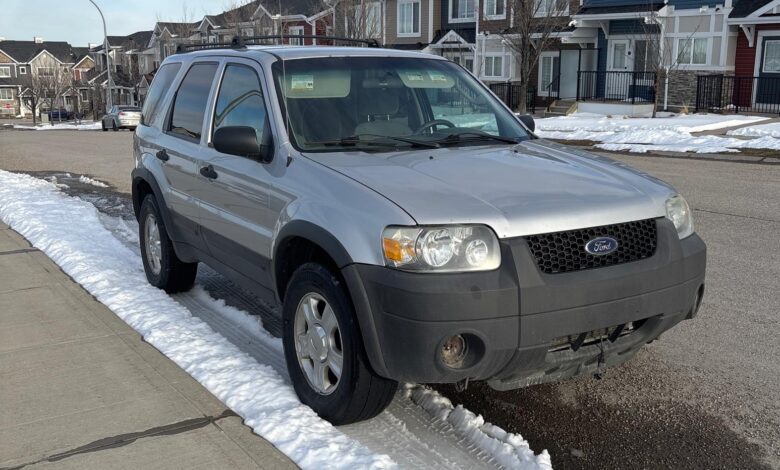
Selling an old, damaged, or unwanted vehicle may seem simple, but many Calgary vehicle owners unknowingly make mistakes that reduce the amount of money they receive. Whether you’re selling a junk car, a non-running vehicle, or a used car that’s no longer worth repairing, understanding the process can help you maximize your return.
The good news is that most costly mistakes are completely avoidable. By learning what to watch for, you can confidently navigate the Cash for Cars Calgary process and ensure you receive a fair offer for your vehicle.
In this guide, we’ll explore the most common mistakes sellers make and explain how to avoid losing hundreds of dollars during the sale.
Mistake #1: Accepting the First Offer You Receive
When people decide to sell a vehicle, they’re often eager to get rid of it quickly. As a result, many accept the very first offer without comparing alternatives.
While speed is important, taking a few extra minutes to request multiple quotes can make a significant difference.
Different buyers evaluate vehicles differently based on:
- Current inventory needs
- Demand for parts
- Vehicle condition
- Scrap metal prices
- Market trends
A vehicle that receives a modest offer from one buyer may be worth considerably more to another.
Solution
Always compare several offers before making a decision. This simple step can potentially increase your payout without requiring any additional effort.
Mistake #2: Providing Inaccurate Vehicle Information
Some sellers unintentionally provide incorrect details about their vehicle. Others may be tempted to hide damage, hoping to receive a better quote.
This often leads to problems later.
When the pickup team arrives and discovers discrepancies, the offer may be adjusted or the transaction delayed.
Common examples include:
- Incorrect mileage
- Undisclosed accident damage
- Missing parts
- Mechanical failures
- Ownership issues
Solution
Be transparent and accurate when describing your vehicle. Honest information helps buyers provide realistic quotes and reduces surprises during pickup.
Mistake #3: Ignoring Valuable Vehicle Components
Many people assume their car is worthless because it no longer runs.
In reality, a non-running vehicle can still contain valuable assets.
Components that may increase value include:
- Catalytic converters
- Engines
- Transmissions
- Alloy wheels
- Batteries
- Electronics
- Body panels
Some sellers fail to mention these components when requesting quotes, resulting in lower offers.
Solution
Provide detailed information about your vehicle’s condition and any functioning components. Even damaged vehicles often contain parts that significantly increase value.
Mistake #4: Spending Too Much on Repairs Before Selling
One of the biggest financial mistakes Calgary drivers make is investing heavily in repairs shortly before selling their vehicle.
For example, spending:
- $1,500 on engine repairs
- $2,000 on transmission work
- $1,000 on suspension repairs
does not guarantee you’ll recover those costs through the sale.
In many cases, repair expenses exceed the increase in vehicle value.
Solution
Before authorizing major repairs, compare the repair cost against your vehicle’s current market value. Sometimes selling the vehicle as-is through a Cash for Cars Calgary service is the more financially sensible option.
Mistake #5: Forgetting About Free Towing
A vehicle that doesn’t run often requires transportation to a buyer or recycling facility.
Some sellers unknowingly arrange and pay for towing themselves.
Depending on the distance, towing expenses can quickly reduce profits.
Solution
Look for Cash for Cars Calgary services that include free vehicle removal. Complimentary towing helps maximize your final payout while eliminating logistical headaches.
Mistake #6: Not Understanding Vehicle Value Factors
Many sellers rely solely on age when estimating value.
While age matters, several other factors influence pricing:
- Vehicle weight
- Scrap metal value
- Demand for replacement parts
- Vehicle make and model
- Current market conditions
- Overall condition
An older vehicle can sometimes be worth more than a newer one if it contains highly desirable parts.
Solution
Learn the key factors buyers use to assess vehicles. Understanding the valuation process helps you set realistic expectations and recognize fair offers.
Mistake #7: Leaving Personal Belongings Behind
It happens more often than people realize.
Vehicles accumulate personal items over the years, including:
- Documents
- Electronics
- Sunglasses
- Garage door openers
- Personal records
- Tools
- Spare keys
Once a vehicle leaves your property, recovering forgotten belongings can be difficult.
Solution
Before pickup, carefully inspect:
- The trunk
- Glove compartment
- Center console
- Under seats
- Door pockets
- Storage compartments
Taking a few extra minutes can prevent frustration later.
Mistake #8: Waiting Too Long to Sell
Many people postpone selling a vehicle because they believe its value will remain stable.
Unfortunately, vehicles usually depreciate over time.
Waiting can result in:
- Increased rust
- Battery failure
- Tire deterioration
- Additional mechanical issues
- Reduced market demand
A vehicle that sits unused for months or years often becomes less valuable.
Solution
If you know you no longer need the vehicle, consider selling sooner rather than later. Acting quickly can help preserve value and reduce ongoing expenses.
Mistake #9: Overlooking Seasonal Market Conditions
Vehicle demand changes throughout the year.
For example:
- Four-wheel-drive vehicles may be more desirable before winter.
- Fuel-efficient vehicles often gain attention when fuel prices rise.
- Convertibles tend to attract more interest during warmer months.
Ignoring these trends can affect the timing of your sale.
Solution
Monitor local market conditions and consider how seasonal demand may influence offers.
While timing isn’t everything, it can sometimes help maximize value.
Mistake #10: Not Having Proper Documentation Ready
Missing paperwork can delay or complicate a transaction.
Commonly required documents may include:
- Vehicle ownership
- Registration information
- Identification
Without proper documentation, buyers may be unable to complete the purchase immediately.
Solution
Gather all necessary paperwork before requesting vehicle pickup. Being prepared creates a smoother transaction and prevents delays.
Mistake #11: Focusing Only on Cash Amount
Many sellers compare offers based solely on the dollar amount.
However, additional services also have value.
Consider factors such as:
- Free towing
- Same-day pickup
- Convenience
- Customer service
- Flexible scheduling
A slightly lower offer that includes free towing and immediate pickup may actually provide greater overall value.
Solution
Evaluate the complete package rather than focusing exclusively on the highest quoted price.
Mistake #12: Assuming Every Buyer Is the Same
Not all vehicle buyers operate in the same way.
Some specialize in:
- Scrap vehicles
- Salvage vehicles
- Used vehicles
- Fleet vehicles
- Collision-damaged vehicles
As a result, offers can vary significantly.
Solution
Choose buyers who have experience with your specific type of vehicle. Specialized buyers often recognize value that others overlook.
How to Maximize Your Cash for Cars Calgary Offer
To achieve the best possible outcome:
- Compare multiple offers
- Provide accurate vehicle details
- Sell before significant deterioration occurs
- Mention valuable components
- Use free towing services when available
- Prepare documentation in advance
- Remove personal belongings
- Understand local market conditions
These simple steps can help ensure you receive a competitive offer while avoiding common pitfalls.
Final Thoughts
Selling a vehicle should put money in your pocket—not cost you money through avoidable mistakes. Unfortunately, many Calgary drivers unknowingly reduce their vehicle’s value by accepting the first offer, delaying the sale, paying for unnecessary repairs, or overlooking important details.
The good news is that a little preparation goes a long way. By understanding how the Cash for Cars Calgary process works and avoiding the common mistakes outlined above, you can protect your investment and maximize your return.
Whether your vehicle is old, damaged, non-running, or simply no longer needed, taking a strategic approach can mean the difference between an average payout and an offer worth hundreds more.


