Can I Watch TV After Retinal Surgery?
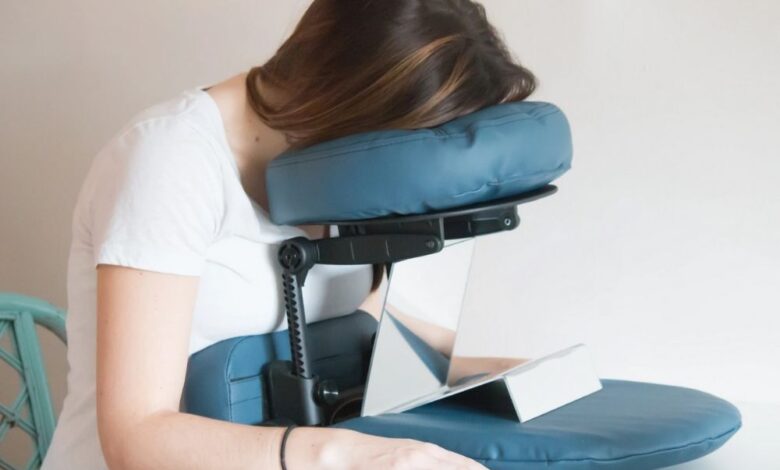
Retinal surgery, especially procedures like vitrectomy or retinal detachment repair, requires a careful recovery process. One of the most common questions patients ask is: The short answer is yes—but with some precautions. Post-surgery, your ophthalmologist may instruct you to keep your head in a face-down position for several days or even weeks. That makes watching TV tricky. Thankfully, tools like mirror positioning to view television from brands like Scouter Medical are changing the recovery experience—making it more comfortable, convenient, and mentally relaxing.
Why You Need a Face-Down Position After Retinal Surgery
During retinal surgeries, like a vitrectomy, a gas bubble is often placed in the eye to hold the retina in place. To ensure that bubble stays correctly positioned, your doctor may prescribe face-down recovery. This posture helps the retina heal properly and prevents complications like permanent vision loss.
How Long Does Face-Down Recovery Last?
The length of time you need to remain face-down depends on the type of surgery and your unique healing process. For many patients, this period ranges from 5 to 14 days. During this time, you’ll need to keep your head in a downward angle for most of the day—and even while sleeping.
Can You Watch TV in the Face-Down Position?
Yes, you can! But it’s not as simple as turning on your favorite show. Watching TV while face-down requires a clever workaround: mirror positioning to view television. These specially designed mirror systems allow patients to enjoy entertainment without compromising their healing posture.
What Is Mirror Positioning to View Television?
Mirror positioning to view television is a technique that uses angled mirrors to project the image from the TV to your line of sight—while you stay in a face-down position. At Scouter Medical, we’ve designed recovery mirrors that attach to your headrest or face-down chair. This enables hands-free, neck-safe viewing that keeps you engaged without hurting your progress.
Benefits of Mirror Positioning Devices
-
✅ Maintains required head posture
-
✅ Prevents neck and back strain
-
✅ Supports emotional wellness during long recovery
-
✅ Allows for TV viewing, reading, or video calls
-
✅ Enhances compliance with post-op instructions
When Can You Start Watching TV After Surgery?
You should always follow your eye surgeon’s instructions, but many patients can begin watching TV within the first day or two after surgery—as long as proper posture is maintained.
Here are some guidelines:
-
Avoid looking up or directly at screens without positioning aids
-
Use tools like mirror system to view content safely
-
Limit screen time to short sessions initially to avoid eye fatigue
-
Use dim lighting to reduce strain on healing eyes
Tips for Safe TV Watching During Retinal Recovery
1. Invest in Quality Recovery Equipment
A well-designed mirror positioning system from Scouter Medical is essential. It reduces discomfort and lets you enjoy your favorite shows while healing properly.
2. Choose Calming, Low-Stimulation Content
After surgery, your eyes are more sensitive. Choose programs with gentle lighting, no rapid flashing, and minimal visual clutter. Nature documentaries or slow-paced dramas are excellent options.
3. Take Regular Breaks
Even though you’re lying face-down, prolonged TV watching can still lead to fatigue. Follow the 20-20-20 rule: every 20 minutes, take a 20-second break and focus your eyes on something 20 feet away.
4. Adjust Lighting to Prevent Glare
Ensure the TV screen doesn’t produce a glare that reflects off the mirror. Indirect, soft lighting works best in your recovery room.
What Else Can You Do While Face-Down?
Recovering from retinal surgery can be mentally challenging. In addition to watching TV using mirror positioning to view television, here are some other low-strain activities to consider:
-
Listening to audiobooks or podcasts
-
Having phone or video calls (with proper device setup)
-
Gentle handcrafts or journaling
-
Guided meditations or music therapy
All of these can support your emotional well-being during recovery.
Conclusion: Healing with Comfort and Confidence
So, can you watch TV after retinal surgery? Yes—with the right tools and posture, it’s not only possible—it’s encouraged for your mental well-being. Using mirror positioning to view television helps you follow medical guidelines while staying engaged and entertained. With support from Scouter Medical, your recovery can be a time of healing—not boredom. Always follow your surgeon’s guidance, invest in quality recovery tools, and don’t hesitate to prioritize comfort. You’ve got this—and we’re here to help.