How Engineering Expertise Drives Reliable Grid Expansion
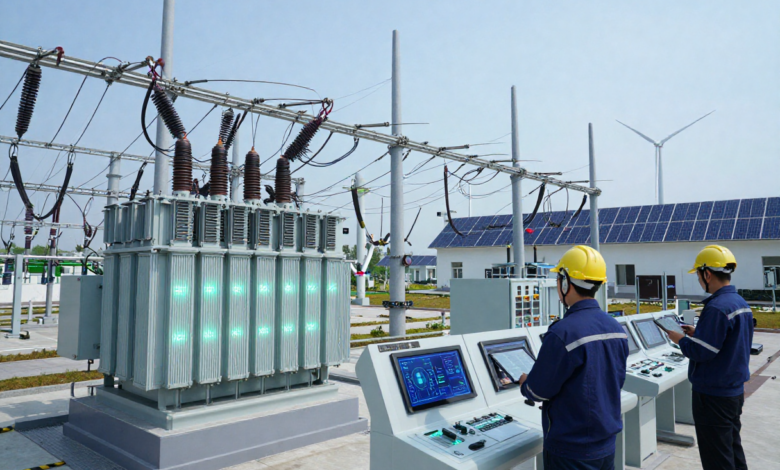
As electricity demand continues to grow, utilities and power providers face increasing pressure to expand grid infrastructure while maintaining reliability, safety, and compliance. The transition toward renewable energy, electrification of transportation, and modernization of aging infrastructure has made grid expansion one of the most important challenges in the power industry.
Successful grid expansion requires much more than installing new equipment or extending transmission lines. It demands strategic planning, detailed engineering analysis, regulatory expertise, and long-term operational considerations. This is where experienced engineering professionals play a critical role. Through advanced power engineering solutions, utilities can develop resilient networks capable of meeting current and future energy demands.
Understanding the Need for Grid Expansion
Power grids are evolving rapidly due to changing energy consumption patterns and the integration of distributed energy resources. Population growth, industrial development, and increasing dependence on electricity have placed greater demands on existing infrastructure.
Many power systems were originally designed decades ago and are now operating near their intended capacity. Without proper upgrades and expansion initiatives, utilities may face reliability concerns, increased outage risks, and operational inefficiencies.
Grid expansion projects help address these challenges by increasing transmission capacity, improving system flexibility, and supporting new generation sources. However, these projects must be carefully engineered to ensure long-term performance and reliability.
Engineering Analysis Forms the Foundation
Every successful grid expansion project begins with comprehensive engineering studies. Before construction starts, engineers evaluate existing infrastructure, forecast future load growth, and identify potential system limitations.
Power flow studies help determine whether current transmission and distribution assets can support additional demand. Short-circuit analyses evaluate fault conditions and equipment ratings, while stability assessments examine how the system will respond during disturbances.
These technical evaluations provide utilities with valuable insights that guide investment decisions and reduce project risks. Engineering analysis ensures that expansion efforts strengthen the overall network rather than creating new operational challenges.
Designing Infrastructure for Long-Term Reliability
Grid expansion projects often involve new substations, transmission lines, protection systems, and communication networks. Engineering expertise ensures that each component is designed to operate reliably under a variety of conditions.
Reliable design requires consideration of environmental factors, future growth projections, equipment compatibility, and maintenance requirements. Engineers must balance performance, cost, and scalability while ensuring that new assets integrate seamlessly with existing infrastructure.
Modern engineering approaches also incorporate advanced technologies such as digital substations, intelligent monitoring systems, and automated controls. These innovations improve visibility across the network and help operators respond quickly to changing conditions.
By applying proven design methodologies, engineering teams create infrastructure that delivers dependable service for decades.
Supporting Regulatory and Compliance Requirements
Regulatory compliance is a critical component of any grid expansion project. Utilities must meet numerous industry standards governing system reliability, operational security, and asset management.
Failure to comply with applicable requirements can result in penalties, increased operational risks, and project delays. Experienced engineering consultants help organizations navigate these complex regulatory environments while maintaining project schedules.
Many utilities rely on proven compliance solutions to address evolving reliability standards and documentation requirements. These solutions support proper planning, risk assessment, and implementation processes that align with industry expectations.
Compliance considerations are most effective when integrated into the project from the earliest planning stages rather than being addressed after construction has begun. This proactive approach helps reduce costs and improve project outcomes.
Managing Renewable Energy Integration
Renewable energy development has become a major driver of grid expansion efforts worldwide. Solar, wind, and battery storage facilities often require new transmission infrastructure and system upgrades to accommodate their unique operating characteristics.
Unlike traditional generation sources, renewable resources can introduce variability and operational complexity into the grid. Engineering teams perform specialized studies to evaluate system impacts and identify necessary improvements.
These assessments help utilities maintain voltage stability, system reliability, and operational flexibility while supporting clean energy goals. Engineers also develop interconnection strategies that enable renewable resources to integrate safely and efficiently into existing networks.
As renewable adoption continues to accelerate, engineering expertise remains essential for maintaining a balanced and reliable power system.
The Importance of Risk Management and Resilience
Modern power systems face numerous challenges, including extreme weather events, cybersecurity threats, equipment failures, and increasing demand fluctuations. Grid expansion projects must account for these risks to ensure long-term resilience.
Engineering professionals use advanced modeling tools to identify vulnerabilities and evaluate potential mitigation strategies. This may include infrastructure hardening, redundancy planning, protection system enhancements, and improved operational procedures.
Resilient infrastructure not only improves reliability but also reduces recovery times following disruptions. By incorporating risk management principles into project planning and design, utilities can better protect customers and critical facilities from service interruptions.
A resilient grid is no longer a luxury—it has become a necessity in today’s rapidly changing energy landscape.
Leveraging Specialized Engineering Expertise
Grid expansion projects involve numerous technical disciplines, including electrical engineering, protection and controls, system planning, telecommunications, and regulatory compliance. Coordinating these elements requires specialized knowledge and practical industry experience.
Organizations often partner with firms that provide nerc engineering consulting services to help address technical challenges and ensure alignment with reliability standards. These experts bring valuable insight into planning methodologies, compliance frameworks, and industry best practices.
Experienced consultants also help utilities optimize project execution, reduce risk, and improve overall system performance. Their expertise can be particularly valuable when managing large-scale infrastructure investments or complex modernization initiatives.
By combining technical excellence with strategic planning, engineering professionals help utilities achieve successful expansion outcomes while maintaining reliable service.
Conclusion
Reliable grid expansion is essential for supporting economic growth, renewable energy integration, and the increasing demand for electricity. Achieving these objectives requires careful planning, advanced technical analysis, and a deep understanding of power system operations.
Engineering expertise serves as the foundation for every successful expansion project. From system studies and infrastructure design to compliance management and risk mitigation, engineers play a vital role in ensuring that power networks remain safe, reliable, and resilient.
As the energy industry continues to evolve, utilities that invest in strong engineering support will be better positioned to meet future challenges and deliver dependable power to the communities they serve. Through strategic planning and innovative power engineering solutions, the modern grid can continue to grow while maintaining the reliability customers depend on every day.