Custom Butter Paper: A Guide for Food Businesses
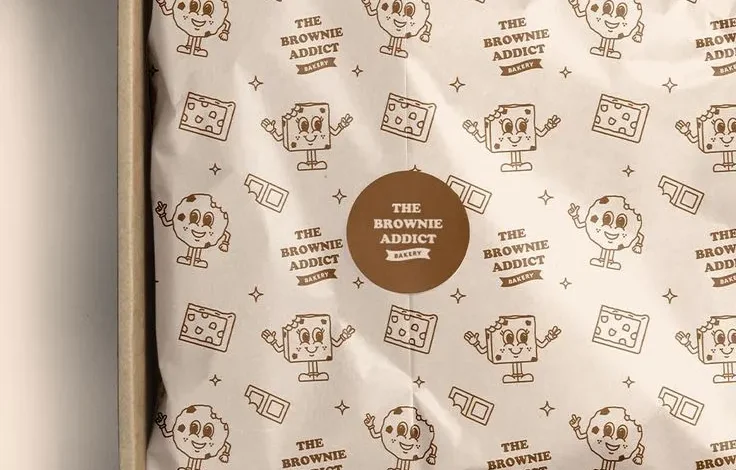
Food packaging plays an important role in product quality, presentation, and brand identity. Bakeries, restaurants, cafes, delis, and food retailers need paper that suits their products and daily operations. Custom butter paper offers a practical way to wrap food while adding a branded touch.
Businesses can print their logos, brand colors, and other design elements on the paper. This helps create a consistent look across takeaway orders, bakery counters, and food displays. The right paper can also make wrapping and serving more convenient for staff.
However, not every paper works for every food product. Butter, pastries, sandwiches, burgers, and other foods have different needs. Businesses should consider grease resistance, paper strength, printing quality, sheet size, and food-contact suitability before placing an order.
This guide explains how to choose custom butter paper, compare suppliers, control costs, and select the right format for your business.
What Is Custom Butter Paper?
Custom butter paper is food wrapping paper that businesses can customize with their own designs. Depending on the material and its intended use, it may help separate food portions, wrap products, or support food presentation.
Businesses often use branded paper for butter, baked goods, sandwiches, burgers, and other food items. The exact application depends on the paper’s properties and the supplier’s specifications.
Customization allows businesses to add a logo, repeat pattern, brand colors, or simple printed message. These details can help customers recognize a business and create a consistent look across packaging.
Before ordering, confirm that the paper suits the food you plan to wrap. Paper designed for dry bakery items may not perform the same way with oily or moist foods. Always check the supplier’s guidance for the intended use.
Why Do Food Businesses Use Custom Butter Paper?
Custom butter paper can support both daily food service and brand presentation. Here are some of its main benefits.
1. Build Brand Recognition
Packaging gives customers another chance to see your brand. A printed logo can help people remember your business after a purchase. Consistent packaging can also make your products look more professional.
Custom Butter Paper with logo works well for businesses that want a recognizable look across their food packaging. You can use a small logo, a repeating pattern, or a simple design that matches your other branded materials.
Keep the artwork clear and easy to read. A crowded design can make the paper look busy and hide important brand details.
2. Improve Food Presentation
The way a business wraps food can influence how customers view the product. Neat wrapping helps create a clean, organized presentation. Branded paper can also add a finishing touch to takeaway orders and food displays.
Bakeries can use printed paper for selected baked goods, while cafes may use it for suitable sandwiches and snacks. Restaurants can match the paper design to their packaging style.
The paper must still suit the food. Attractive printing cannot replace the need for the right material and safe food-handling practices.
3. Support Daily Operations
Food businesses often wrap many items during busy periods. The right paper size and format can help staff work more efficiently.
Pre-cut sheets may suit counters where workers wrap individual items by hand. Rolls may work better for businesses that cut paper to different lengths. The best option depends on your menu, wrapping method, and daily order volume.
4. Create a Consistent Packaging Style
Businesses often use several types of packaging, including bags, boxes, cups, and wrapping paper. Matching colors and design elements across these items creates a more consistent brand image.
Custom butter paper can form part of that packaging system. Choose a design that works with your existing logo and other printed materials. You do not need to print every available detail. A simple, consistent design may be enough.
How to Choose the Right Butter Paper
Before comparing prices, identify what the paper needs to do. Consider the food type, serving method, storage conditions, and expected contact with grease or moisture.
Check Grease Resistance
Grease resistance matters when you wrap butter, oily foods, pastries, or other products that release fat. Some papers handle grease better than others.
Ask your supplier whether the paper suits your specific food and whether it can withstand the expected contact time. Do not assume that all paper sold as butter paper offers the same level of grease resistance.
For foods with high oil content, test a sample before ordering a large quantity. Check for visible stains, leaks, or weakening during normal use.
Review Paper Strength
The paper should handle your wrapping process without tearing too easily. Thin paper may suit some lightweight products, while heavier foods may need a stronger material.
The correct choice depends on the product’s weight, shape, temperature, and moisture level. Ask the supplier for material specifications and sample sheets. Test the paper with the food you plan to package.
Confirm Food-Contact Suitability
Food-contact suitability is essential. The paper, inks, coatings, and other materials must be appropriate for their intended use.
Ask the supplier for relevant food-contact documentation and usage guidance. Confirm whether the paper suits direct food contact and whether any restrictions apply to hot, oily, or moist products.
If you sell food in the UK, make sure your packaging meets the food-contact rules that apply to your business and product. Do not rely on appearance alone when choosing packaging materials.
Choose the Right Paper Format
Paper format affects storage, handling, and speed. Some businesses prefer pre-cut sheets, while others need rolls for flexible cutting.
Consider how much paper each item requires and how staff will use it during busy periods. A format that matches your workflow can reduce waste and make packaging easier to manage.
Custom Printed Butter Paper Rolls or Sheets?
Rolls and sheets can both work well, but each format suits different operations.
Custom Printed Butter Paper Rolls
Custom printed Butter Paper rolls can suit businesses that need different lengths for different products. Staff can cut the paper as required, which offers flexibility when wrapping items of varying sizes.
Rolls may work well in high-volume kitchens, food production areas, and businesses with dedicated wrapping stations. Before ordering, check the roll width, length, core size, and compatibility with any dispensers or equipment you use.
Also consider storage and handling. A large roll may need more space or a suitable holder to keep it accessible during service.
Customized Butter Paper Sheets
Customized Butter Paper sheets offer a ready-to-use format. Staff can take a sheet and wrap the product without measuring and cutting each piece.
Sheets can work well for bakeries, cafes, sandwich shops, and takeaway counters. They may also help businesses maintain more consistent portion sizes when each item needs a similar amount of paper.
Check the sheet dimensions before ordering. Small sheets may not cover the product properly, while oversized sheets can increase waste. Test the paper with your actual food items to find a useful size.
Which Format Should You Choose?
Choose rolls if your products need different paper lengths or your team wraps food in a production area. Choose sheets if you want a quick, ready-to-use format for individual orders.
Some businesses may benefit from using both. For example, a bakery could use sheets for individual pastries and rolls for larger items. Review your workflow before deciding.
Design Tips for Custom Printed Butter Paper
A strong design should represent your brand without making the paper difficult to use. Follow these practical tips when preparing your artwork.
Keep Your Logo Clear
Use a high-quality logo file and check its size at the final print scale. Thin lines and very small text may become hard to read on paper.
Ask for a digital proof before production. Review the logo placement, spacing, colors, and repeat pattern. If possible, check a printed sample as well.
Choose Suitable Colors
Use colors that match your brand identity. A simple design with one or two colors may be easier to coordinate with your other packaging.
Remember that paper color and surface can affect how printed colors appear. Ask the supplier about available paper shades and printing limits before approving the design.
Plan the Print Layout
The design should work across the full sheet or roll. Avoid placing key information where folds, cuts, or overlaps may hide it.
A repeating logo pattern can create a consistent look without covering the paper with too much artwork. Keep enough open space so the food and the brand design both remain visible.
Confirm the Printing Method
Printing options depend on the paper, artwork, order quantity, and supplier’s equipment. Ask which method suits your design and intended food contact.
Confirm that the inks and materials meet the relevant requirements for the planned application. Request written specifications rather than assuming that every printed paper has the same properties.
Ordering Custom Butter Paper Wholesale
Wholesale orders can help food businesses maintain a steady supply of branded packaging. However, the right quantity depends on demand, storage space, budget, and shelf life.
When comparing Custom Butter Paper wholesale options, review the complete offer instead of focusing only on the unit price. Compare paper quality, print coverage, sheet or roll dimensions, minimum quantities, setup charges, and delivery costs.
Ask suppliers to provide clear details about:
- Paper type and thickness
- Grease resistance and intended applications
- Roll dimensions or sheet size
- Printing method and available colors
- Food-contact documentation
- Minimum order quantity
- Sample and artwork approval process
- Production time and shipping charges
If you need Custom Butter Paper in bulk, estimate your regular usage before placing an order. Review weekly or monthly consumption and allow for changes in seasonal demand.
A larger order may reduce the price per unit, but it can also tie up cash and storage space. Order quantities that match your expected use. If you are trying a new design or material, consider testing a sample or smaller order first, where the supplier allows it.
How to Choose a Reliable Supplier
The right supplier should offer clear specifications, consistent printing, and useful guidance on material selection. Price matters, but it should not be your only deciding factor.
Start by sharing details about the food you package and how you use the paper. Explain whether you need rolls or sheets, what size you prefer, and which printing features matter most.
Ask the supplier to confirm the material’s intended use in writing. Request relevant food-contact documents and a sample when possible. Check the print quality, paper strength, and grease performance under normal conditions.
You should also confirm production times and delivery arrangements. If you plan to reorder regularly, ask how the supplier maintains consistent colors, paper specifications, and print placement across batches.
A clear quotation makes comparison easier. It should list the material, size, quantity, print details, extra charges, and estimated delivery time.
How to Control Costs Without Sacrificing Quality
Businesses can manage packaging costs by planning carefully before production begins.
- Choose practical sizes. Match the paper dimensions to the products you wrap most often.
- Keep artwork simple. Use the print features that support your brand rather than adding unnecessary details.
- Compare full quotations. Include setup fees, delivery, and other charges in your calculations.
- Plan quantities around demand. Avoid ordering more paper than you can store or use.
- Test before scaling up. Samples can help identify problems before a large order.
- Reduce avoidable waste. Train staff to use the correct sheet size or cut roll paper efficiently.
Do not choose a material solely because it has the lowest price. Paper that tears, leaks, or fails to suit the food can create waste and disrupt service. A suitable product offers better value over time.
Common Mistakes to Avoid
A few simple checks can help prevent ordering problems.
- Choosing paper without testing it: Check how it performs with the actual food.
- Ignoring food-contact requirements: Request suitable documentation for the intended application.
- Ordering the wrong size: Measure your products and test the wrapping method.
- Approving artwork too quickly: Review print placement, colors, and logo clarity.
- Overlooking storage needs: Make sure your business can store the order in suitable conditions.
- Ordering too much at once: Match the quantity to realistic usage and available space.
- Comparing prices alone: Review material quality, printing, delivery, and supplier support.
A short specification sheet can help keep the order accurate. Include the paper type, dimensions, print design, quantity, intended food use, and any special requirements.
How to Get Started
Start by listing the foods you plan to wrap and the way your team handles each item. Decide whether rolls or sheets will fit your workflow. Then set your preferred dimensions, design, order quantity, and budget.
Next, contact suppliers and request detailed quotations. Compare paper specifications, printing options, food-contact information, production times, and total costs. Review a sample before approving a large order whenever possible.
If you are ready to explore Customized Butter Paper, review the available options on the product page. Use the product details to prepare your requirements and ask the supplier to confirm that the chosen paper suits your intended food application.
Conclusion
Custom butter paper can help food businesses combine practical wrapping with consistent brand presentation. The right choice depends on the food, paper properties, print design, format, and order quantity.
Compare materials and suppliers carefully. Confirm food-contact suitability, test the paper, and review artwork before production. With clear specifications and sensible order planning, you can choose packaging that supports daily operations and presents your brand well.
For more options, explore custom food wrapping and greaseproof packaging solutions and choose a format that fits your business needs.