
How Immersive Technology in Brand Activation is Changing Modern Marketing
Discover how cutting-edge tools like AR, VR, and mixed reality are building deeper emotional connections with modern consumers.
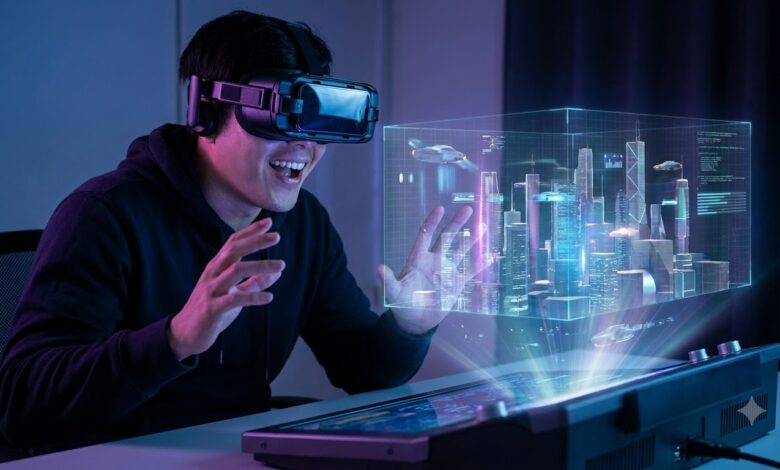
In today’s fast-paced digital world, capturing consumer attention is more challenging than ever. Consequently, immersive technology in brand activation has emerged as a game-changing strategy for modern businesses. Rather than passively watching an advertisement, customers can now step directly into a brand’s story. For companies looking to pioneer these interactive journeys, partnering with a specialized digital experience studio like ViitorX is a strategic first step. By leveraging VR, holographic projections, and simulation-based learning, brands can boost engagement and leave a deeply memorable impression.
As frequently highlighted in various marketing insights across General Posting, businesses must pivot from simply telling consumers why their product is good to actually showing them. Therefore, integrating digital experiences into your overall marketing funnel is no longer optional; it is essential for long-term growth.
What is Immersive Technology in Brand Activation?
To put it simply, immersive technology blends the physical and digital worlds. It uses tools like Augmented Reality (AR), Virtual Reality (VR), and mixed reality to surround the user in a digitally generated environment.
When applied to marketing, this technology transforms standard product launches into unforgettable events. For example, instead of handing out a printed brochure at a trade show, a company can invite attendees to take a virtual walk through their new facility. As a result, the audience forms an immediate, tangible connection with the product.
The Core Benefits of Digital Experience Marketing
Transitioning to experience-based marketing offers several unique advantages that traditional media simply cannot match. Here are the top three benefits:
-
Higher Engagement Rates: Interactive environments demand active participation. Users are not just scrolling past a video; they are actively controlling their journey.
-
Stronger Memory Retention: According to the foundational concepts of virtual reality immersion, the human brain processes these simulated environments much like genuine physical memories. Therefore, customers remember your brand long after the event ends.
-
Emotional Connection: Immersive environments trigger real emotional responses. A well-designed 3D experience can evoke awe, excitement, or curiosity, linking those positive feelings directly to your brand.
Key Tools Powering Interactive Environments
Several cutting-edge tools drive this new wave of marketing. If you want to elevate your next campaign, consider these three popular options:
First, Virtual Reality (VR) completely transports the user to a new location. Brands often use VR headsets at expos to give consumers a fully guided, 360-degree tour of their offerings.
Second, Holographic Projections create stunning visual displays without requiring the user to wear any equipment. These 3D holograms are perfect for drawing massive crowds at retail locations or corporate visitor centers.
Finally, Augmented Reality (AR) overlays digital information onto the real world via a smartphone. Brands utilize AR for “try-before-you-buy” apps, allowing customers to visualize furniture in their living rooms or try on virtual clothing.
Conclusion
Ultimately, immersive technology in brand activation represents the future of consumer engagement. By combining storytelling with cutting-edge technology, companies can break through the noise of traditional advertising. Furthermore, investing in interactive digital experiences ensures that your brand does not just make an impression—it creates a lasting memory. Start exploring these tools today, and watch your audience connection reach unprecedented heights.


