
The Future of Marketing is QR Codes | This Time for Real
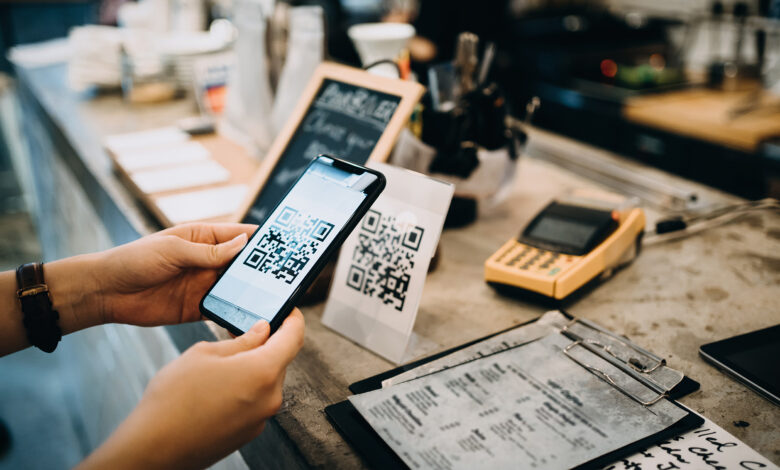
The Future of Marketing is QR Codes – In 1994, QR codes were created to streamline the automotive industry. Recently, QR codes have been used in new ways, particularly by brands and marketers.
In North America, QR codes were considered a dying trend. It wasn’t until 2017 that Apple’s iOS 11 upgrade enabled the native camera app to be used instead of third-party apps.
This advancement, combined with the pandemic, which led many restaurants to switch to digital menus instead of paper ones, presented an opportunity for decades-old digital channels to gain traction among consumers.
Jon Stern, the co-founder and CEO of Ringpin told Built In that people used to dislike QR codes. The data on QR codes usage shows that people are starting to accept them. In 2021, 75.8 millions Americans scanned QR codes with their mobile phones. This is a 15.3 percent rise from the previous year.
They’re here to stay.
What is a QR Code?
A QR code is a barcode which can be read using a mobile phone, scanner or iPad. The QR code uses pixels in a grid-like arrangement to store data such as websites, social media profiles and songs.
A digital scanner is required to translate the unique pixel pattern of a QR code into digital data.
Note: If you need to create a QR code, use a QR code generator for a quick and easy solution.
QR Codes: Benefits and Uses
Cost Effective
QR codes are useful for a wide range of industries, but they’re especially helpful to the restaurant industry. They use QR codes to update their digital menus without having to spend time, money and paper printing new ones. Some QR code menus allow customers to pay and order food directly from the website. This can help streamline the dining experience for restaurants and turn tables faster.
Tracking Campaign Performance
QR codes are available in digital format, which makes it easier to track traffic and interactions. Some QR code platforms can be integrated with Google Analytics to store demographics and user behavior information.
Data Storage
QR codes can store large amounts data. A QR code is capable of storing approximately 7,000 characters. QR codes are not limited to numeric characters; they also store alphabetic letters, binary codes, control codes, and more. The versatility of QR codes allows them to be used for a wide range of purposes, from text and hyperlinks to videos and audio.
The Disadvantages of QR Codes
Security Risks
A QR code is not dangerous and cannot be hacked. However, a link or other information that someone adds to the QR code can put users in danger.
Hackers could, for example, create QR codes that direct users to websites that steal their passwords or track their phones. It’s easy to compare this type of cybersecurity risk to the everyday risks that people face when they are on the internet. However, users can’t always see where the QR code takes them. This makes it more difficult to determine the risk.
Functional Inefficiencies
Some people are still uncomfortable using QR codes. The process is not always intuitive.
The effectiveness of QR codes is also affected by Wi-Fi or cellular data services. QR codes don’t work well without a reliable connection to the internet. This could explain why QR codes are not as common in small towns as they are in downtown restaurants.
Privacy Concerns
Some people have expressed concern about the information collected by QR codes. A QR code opens the mobile browser, and this may expose users to third-party cookies or even first-party data collection.
What Are the Marketing Strategies That Use QR Codes?
Marketers use QR codes for a variety of reasons: to build direct relationships with their customers, to collect first-party information and to add attribution tracking in traditional advertising channels such as mailers and billboards.
As it stands, QR codes tend to be used the same way, which is as a simple way to increase website traffic using physical marketing materials. There’s a growing expectation that QR codes will soon be used for more creative marketing.
Alex Wan is the co-founder and chief executive officer of Periphery Digital in Vancouver. The agency specializes in digital marketing for Chinese speakers. He told Built In, “QR code usage here is still fairly basic.”
Wan explained that it would be difficult for the United States to adopt QR codes in the same manner as China.
Hired? Find out.
Find jobs in top tech companies and startups
QR Codes Are Used Today – Marketing Side
Customized Landing Page
Sharat Potharaju, co-founder and CEO at MobStac (a “physical to digital experience management solution”) believes that dynamic QR codes will become more popular in the future.
Dynamic QR codes allow marketers to use the same QR code but direct people scanning them to different campaigns based on variables such as location, day of the week, and time of day.
Potharaju suggested picturing a QR code-based menu attached to the front door of a hotel. Imagine scanning the QR code in the morning to get a breakfast menu. Scanning it in the afternoon to get a lunch menu. Scanning it early in the evening to see a happy-hour menu.
He said that dynamic QR codes allow you to accomplish this seamlessly without having to intervene.
Depending on where the QR code is scanned, it can also direct users to one of a number of landing pages that are geographically targeted.
If the consumer has already scanned a QR code from a certain brand, the next time they scan it, they will be taken to a page segmented with the information that they have already provided.
Shoppers who haven’t purchased from a brand in 90 days may be directed to a different page than those who bought last week.
Stern stated that “you can make it personal and relevant to the people.”
Payment Platforms – Marketing
Payment platforms are one of the most popular uses of QR codes. You’ve probably used Venmo, CashApp or other payment platforms and experienced how easy it is to scan a QR code for a vendor to make a payment without having to type in their personal information.
QR code payments aren’t a passing trend either. The QR code payments industry is estimated to be worth $8 billion in 2020 and will reach $35 billion by 2030, a 16 percent growth.
Calls to Action on Physical Items – Marketing
The appearance of QR codes on tangible items will change as their use increases. Some QR codes appear to be a last-minute addition on brochures and consumer packaged goods. They often do not provide clear directions as to where the user will be directed after scanning them.
Wan stated that “it’s not pleasant to look at square codes.” Designers should incorporate square pixels into marketing assets that are eye-catching, so that people know they should scan it.
QR codes do not have to be used only as a last-minute solution.
Consider QR codes that are designed to look like Disney characters in Japan’s subway stations, or those displayed by Zara in their retail windows with the word “SALE,” so passers-by know what they can get from scanning them.
Wan believes that extending QR codes beyond a simple box in black and white with a CTA “Learn More” is one of the ways QR codes can be made more consumer-friendly.
Integrate with Search and Social Ads
Potharaju explained that although QR codes cannot be used for identifying individuals, they can still be used as a way to note specific devices in specific places, information which can then be integrated into Google or Facebook ads.
If a person scans the QR code on a Nestle bottle, Nestle could then target them with ads when they log in to Facebook or Google.
Potharaju describes it as “building digital advertisements based on cohorts based on physical activities that you are doing in real life.”
Giving Consumers More Information About Products
As digital extensions to physical objects, QR codes work similarly to augmented reality.
Since years, museums have been allowing curious visitors access to additional information about a specific artwork using their smartphones. This is something that e-commerce companies may start to adopt more often.
Stern’s company, Ringpin, works with companies that want to combine the physical and digital.
He is helping a horticulture company implement QR codes that are attached to the tags of each plant. When scanned, they display different instructions based on where the plant is located.
Ringpin also helps a clothing brand that is focused on transparency to place QR codes in its physical retail store. The ultimate goal is to allow shoppers to scan the products and verify their authenticity, as well as receive information about the source of the material.
Stern stated that brands were still learning how to market themselves. “People are trying out different things to see what works.”


