
What 100,000 Japanese Auction Listings Reveal About Real-World Vehicle Depreciation
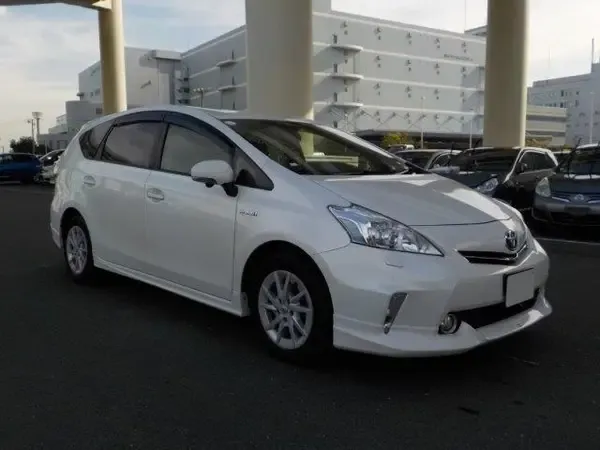
Vehicle depreciation is something every car buyer faces. The moment a car leaves the showroom, it begins to lose value. While many people understand this idea, few know how depreciation works in the real world.
Looking at over 100,000 auction records from Japan gives a much clearer picture. These listings provide valuable information about prices, age, mileage, condition, and demand. They help buyers understand how Japanese used cars hold their value over time and which models lose value faster than others.
Why Japanese Auction Data Matters
Japan has one of the largest vehicle auction networks in the world. Every week, thousands of vehicles are sold through auctions across the country.
Unlike small surveys or limited market reports, auction records show actual selling prices. This means the data reflects what buyers are truly willing to pay. It gives a realistic view of how vehicles perform in the market.
Because the sample size is so large, patterns become easy to spot. Buyers can see which cars remain popular and which ones lose value quickly.
Understanding Vehicle Depreciation
Depreciation simply means the decrease in a vehicle’s value over time.
Several factors affect depreciation:
Age of the Vehicle
Older vehicles generally sell for less than newer ones. The largest drop usually happens during the first few years.
Mileage
Cars with lower mileage often maintain better value. Higher mileage can reduce buyer interest because of expected wear and tear.
Condition
Vehicles that are clean and well-maintained usually attract stronger bids. Service history also plays an important role.
Market Demand
Some models remain popular for many years. Strong demand often slows depreciation.
What the 100,000 Listings Show
After reviewing a large number of auction records, several clear trends appear.
The First Three Years Matter Most
The sharpest value drop often happens during the first three years of ownership.
Many vehicles lose a significant portion of their original value during this period. After that, depreciation usually becomes more gradual.
For buyers, this creates an opportunity. A vehicle that is three to five years old may still be in excellent condition while costing much less than a brand-new model.
Reliable Models Hold Their Value Better
Vehicles known for reliability tend to keep their value longer.
Buyers often trust models with strong maintenance records. As a result, demand remains steady even when the vehicles become older.
This trend appears repeatedly throughout auction data. Cars with a reputation for durability generally receive stronger bidding activity.
Mileage Has a Strong Impact
Mileage continues to be one of the biggest price drivers.
A five-year-old vehicle with low mileage can sometimes sell for much more than a similar vehicle with heavy use.
Buyers often view mileage as a quick way to estimate future maintenance needs. Lower mileage creates confidence and often leads to higher auction prices.
The Sweet Spot for Buyers
Three to Seven Years Old
Many auction records suggest that vehicles between three and seven years old offer excellent value.
These vehicles have already experienced the steepest depreciation. At the same time, they often still have modern features, good reliability, and attractive appearance.
For many buyers, this age range provides the best balance between cost and quality.
Moderate Mileage Performs Well
Vehicles with reasonable mileage frequently attract strong buyer interest.
They are usually less expensive than low-mileage examples while still offering many years of useful service.
This balance often creates some of the strongest value opportunities in the auction market.
Which Vehicle Types Keep Value Better?
Different vehicle categories depreciate at different rates.
Compact Cars
Compact vehicles often perform well because they are affordable, fuel-efficient, and practical.
Their broad appeal helps support long-term demand.
SUVs
SUVs frequently maintain strong resale value due to their versatility and family-friendly design.
Many buyers seek SUVs for daily driving, travel, and cargo space.
Commercial Vehicles
Light commercial vehicles can also retain value surprisingly well.
Businesses often need dependable transportation, creating steady demand in the used market.
Factors That Slow Depreciation
Regular Maintenance
Vehicles with documented maintenance records often receive better prices.
Buyers appreciate evidence that a vehicle has been properly cared for.
Clean Auction Grades
Higher-condition vehicles usually attract more bidders.
Even small cosmetic issues can affect final selling prices.
Popular Brands
Brands with strong reputations often experience slower depreciation.
Trust and reliability play a major role in buyer decisions.
Lessons for Buyers
The auction data offers several useful lessons.
First, buying new is not always the most cost-effective choice. A slightly older vehicle may provide nearly the same driving experience at a much lower price.
Second, condition often matters more than age alone. A well-maintained older vehicle can outperform a neglected newer one.
Third, research is essential. Looking at historical auction trends helps buyers understand fair market value before making a purchase.
Making Smarter Purchasing Decisions
Auction records provide a real-world view of vehicle value rather than estimated prices.
By studying these patterns, buyers can avoid overpaying and identify vehicles that offer long-term value. This approach has helped many importers and dealers source quality Japanese auction cars while managing costs and reducing financial risk.
Final Thoughts
The analysis of 100,000 Japanese auction listings reveals a simple truth: depreciation follows predictable patterns. The biggest value drop usually happens early, while reliable and well-maintained vehicles tend to hold their value much better over time.
For buyers, understanding these trends can lead to smarter decisions, better value, and greater confidence when selecting a vehicle. Real auction data provides practical insight that goes far beyond assumptions, helping people make informed choices based on actual market behavior.
FAQs
1. What is vehicle depreciation?
Vehicle depreciation is the loss of value a car experiences as it gets older.
2. Why do cars lose value quickly at first?
New vehicles experience the highest value drop during the first few years of ownership.
3. Does mileage affect resale value?
Yes. Lower-mileage vehicles usually sell for higher prices than similar vehicles with high mileage.
4. What age vehicle offers the best value?
Many buyers find that vehicles between three and seven years old offer a strong balance of price and quality.
5. Why are Japanese auction records useful?
They show real selling prices and provide insight into actual market demand and vehicle value trends.


