What is the best age for hair transplant?
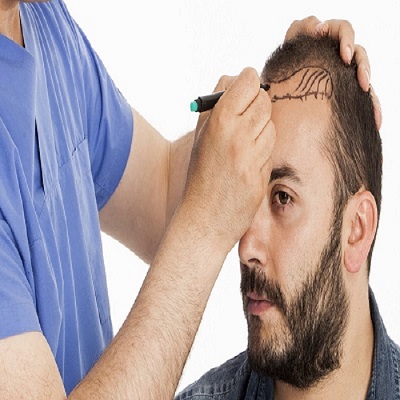
Hair loss is a common concern that affects millions of men and women around the world. Whether due to genetics, hormonal imbalances, or stress, losing hair can have a significant impact on self-esteem and appearance. Fortunately, advancements in cosmetic surgery—especially hair transplant techniques—have made it easier than ever to restore a fuller head of hair. However, a commonly asked question remains: What is the best age for hair transplant?
If you’re considering a Hair Transplant in Islamabad, timing is crucial. The age at which you undergo the procedure can significantly affect both the results and longevity of the transplant. While there’s no single age that applies to everyone, there are certain guidelines that can help determine when the time is right.
Why Age Matters in Hair Transplant Procedures
Hair transplant surgery is a permanent solution to hair loss. It involves transferring hair follicles from a donor site (usually the back of the head) to thinning or balding areas. While the technology behind the procedure is reliable and effective, timing plays a vital role in its success.
Hair loss is typically progressive, especially in younger individuals. A transplant performed too early can result in an unnatural appearance over time if hair loss continues. Conversely, waiting too long might mean less donor hair is available, making it harder to achieve the desired coverage.
Ideal Age Range for Hair Transplant: What Experts Say
Most hair restoration experts agree that the ideal age for a hair transplant is between 25 and 40 years old. Here’s why:
-
Predictable Hair Loss Pattern: By the mid-to-late twenties, the pattern and severity of hair loss are easier to determine. This helps the surgeon create a long-lasting and natural-looking hairline.
-
Sufficient Donor Hair: At this age, individuals typically have strong, healthy donor hair, which is essential for a successful transplant.
-
Stable Hormones: Hormonal levels tend to stabilize in the late twenties and early thirties, reducing the chances of future aggressive hair loss.
Hair Transplant Considerations by Age Group
Let’s break it down further by age range to understand the pros and cons at each stage:
Ages 18–24
-
Not Usually Recommended
-
Hair loss is often unpredictable and ongoing
-
High chance of needing multiple procedures later
-
Doctors may recommend non-surgical treatments first
Ages 25–35
-
Ideal Candidates
-
Hair loss pattern is more defined
-
Better candidate for long-lasting, natural-looking results
-
Mental and emotional maturity to handle expectations
Ages 36–50
-
Still Very Suitable
-
Hair loss is usually stabilized
-
Procedures at this age can dramatically enhance appearance and confidence
-
May combine treatment with PRP therapy or medications
Ages 50+
-
Dependent on Health and Donor Hair
-
Candidates should be in good general health
-
A proper assessment is needed to determine if donor hair is sufficient
-
Often seek hair transplants for a more youthful appearance
Factors That Influence the Timing of a Hair Transplant
While age is a significant factor, it’s not the only one that determines your eligibility for hair transplant surgery. Other important considerations include:
-
Extent of Hair Loss: The more stable the hair loss, the better the outcome.
-
Family History: Genetic patterns can help predict future loss.
-
Donor Area Health: A strong donor area is essential regardless of age.
-
Patient Expectations: Clear, realistic expectations lead to higher satisfaction.
-
Medical Conditions: Underlying health issues can affect candidacy and recovery.
Non-Surgical Alternatives for Younger Candidates
For individuals under the age of 25 or those in the early stages of hair loss, surgeons often recommend trying non-surgical options first. These include:
-
Minoxidil (Rogaine): A topical solution that promotes hair growth
-
Finasteride (Propecia): A prescription medication that prevents further loss
-
PRP Therapy (Platelet-Rich Plasma): A regenerative treatment using the patient’s own plasma to stimulate growth
These treatments can slow or stop hair loss and may even regrow some hair, delaying the need for surgical intervention.
Planning for Long-Term Success
Regardless of age, the key to a successful hair transplant lies in planning for the future. This means anticipating future hair loss and designing the hairline in a way that will continue to look natural over time. Choosing an experienced surgeon who understands the long-term aspects of hair restoration is essential.
A well-timed and professionally performed transplant can give you natural results that last for decades. On the other hand, a procedure performed without adequate planning—especially at a very young age—can lead to unnatural hairlines or the need for multiple corrections later in life.
Conclusion
So, what is the best age for hair transplant? While the most favorable age range is typically between 25 and 40 years, the right time ultimately depends on individual circumstances. A proper diagnosis, understanding of the progression of hair loss, and realistic expectations are crucial for long-term success.
If you’re considering taking this step toward restoring your confidence and appearance, it’s essential to consult with a reputable clinic. SKN Cosmetics clinic in Islamabad is renowned for its skilled surgeons, advanced FUE technology, and customized approach to hair restoration. Their expert team ensures that every patient receives personalized care, ensuring natural-looking and lasting results at the right time in their hair loss journey.