
Enhancing Restaurant Operations with CRM and POS Systems
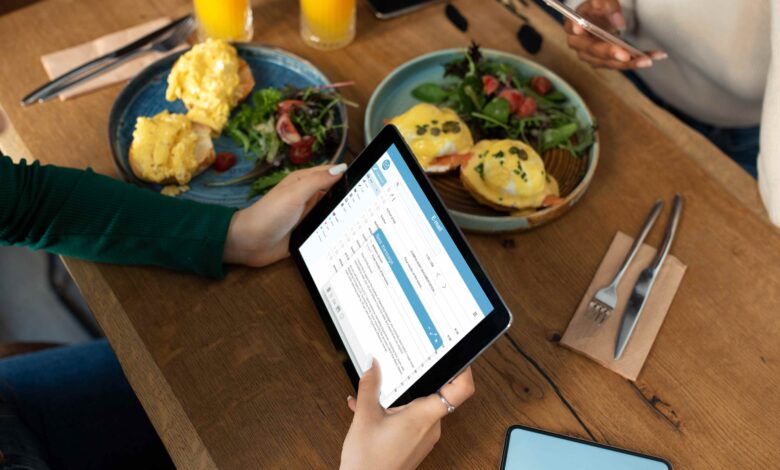
In the restaurant industry, effective customer management and streamlined operations are crucial for success. For restaurant owners, creating a memorable dining experience while efficiently managing back-end processes often requires technology. Among the tools that can bring value are CRM (Customer Relationship Management) systems and POS (Point of Sale) systems. Both help restaurant owners manage customer interactions and track sales, providing data-driven insights that allow businesses to make better, more informed decisions. Combining a CRM system for restaurants with an integrated POS system enhances operations, strengthens customer relationships, and improves overall profitability.
Understanding CRM for Restaurants: Building Better Customer Connections
A CRM for restaurants is more than just a tool for managing customer information; it’s a central platform that records customer data, preferences, and behaviors. By gathering details like past orders, dining preferences, and feedback, a CRM system enables restaurants to personalize interactions with guests. This personalized approach helps create stronger bonds with customers, turning one-time visitors into loyal patrons who return for the memorable service.
In addition to tracking preferences, a CRM for restaurants also helps businesses send targeted offers and promotions based on past purchases or special occasions. For instance, if a customer has a history of ordering a particular dish, a restaurant can send them an offer featuring that item, making them feel valued. This level of engagement keeps the restaurant in the forefront of customers’ minds and strengthens brand loyalty. Moreover, by integrating a CRM with a POS restaurant system, customer data is automatically updated with each transaction, creating a seamless and unified view of customer behavior.
Streamlining Operations with POS Systems
A POS restaurant system is essential for managing orders, transactions, and inventory, playing a central role in daily restaurant operations. Beyond processing payments, POS systems help streamline order management by allowing servers to send orders directly to the kitchen, reducing delays and minimizing human error. This enhances communication between the front and back of the house, ensuring that orders are prepared correctly and served on time.
A POS system also provides valuable data on sales patterns, peak hours, and popular menu items. This information allows restaurant managers to optimize staffing, adjust menu offerings, and even manage inventory more effectively. When paired with a CRM system, the POS can automatically record transaction data to provide a complete picture of customer spending habits and preferences. This integration creates a smoother experience for both staff and guests, as it reduces manual data entry and allows the restaurant to focus on delivering top-notch service.
Enhancing Customer Experience with CRM and POS Integration
The integration of CRM for restaurants with a POS system greatly enhances the customer experience by allowing for more efficient service and tailored marketing efforts. When customer information flows seamlessly between the two systems, restaurants can offer a more personalized experience. For example, when a regular customer arrives, the system can provide staff with details about their previous visits, favorite menu items, and any allergies or preferences, allowing the restaurant to offer personalized recommendations that make guests feel special and appreciated.
Moreover, a combined CRM and POS restaurant system allows for faster service, as servers can quickly access customer data and preferences. This integrated approach also makes it easier to resolve issues or complaints since customer history and feedback are readily accessible. Enhanced service not only improves the dining experience but also encourages positive word-of-mouth referrals, contributing to the restaurant’s reputation and customer base.
Utilizing Data Insights for Better Decision-Making
One of the biggest advantages of using a CRM and POS system together is the wealth of data that can be gathered and analyzed. A CRM for restaurants collects customer data that can be used to understand spending patterns, dining frequency, and menu preferences. By analyzing this data, restaurant managers can make informed decisions about menu offerings, promotional strategies, and customer engagement tactics. This data-driven approach leads to smarter, more effective business strategies that can attract and retain customers.
A POS system complements CRM data by providing insights into the operational side of the restaurant. It tracks inventory levels, identifies high-demand items, and highlights sales trends. Together, CRM and POS data offer a comprehensive view of restaurant performance, enabling managers to make well-rounded decisions that optimize both customer experience and operational efficiency. This strategic advantage can be particularly useful during peak seasons or for planning special events, as restaurants can accurately anticipate customer preferences and adjust their inventory and staffing accordingly.
Boosting Loyalty and Marketing Efforts
Loyalty programs are essential for encouraging repeat visits, and a CRM for restaurants can play a pivotal role in managing these programs. By recording customer spending patterns and frequency, a CRM system allows restaurants to offer rewards or discounts based on customers’ dining habits. When combined with a POS restaurant system, loyalty programs can be automatically applied to transactions, ensuring that customers receive their rewards without any hassle. This seamless experience makes customers feel appreciated and valued, enhancing their loyalty to the restaurant.
Moreover, CRM systems allow for targeted marketing campaigns that are more likely to resonate with customers. By segmenting customer data, restaurants can create personalized promotions, such as birthday discounts or special offers for high-spending customers. POS integration also ensures that promotional data is record alongside sales transactions, providing clear insights into the effectiveness of each campaign. This targeted approach not only increases customer satisfaction but also improves the return on investment (ROI) of marketing efforts by ensuring that promotions reach the right audience.
Future-Proofing the Restaurant with Technology
As the restaurant industry becomes increasingly competitive, adopting CRM and POS systems offers a way to future-proof the business. These systems help restaurants adapt to changing customer expectations, as diners increasingly expect a seamless and personalized experience. With CRM and POS technology, restaurants can meet these expectations by offering tailored services, efficient ordering processes, and data-driven insights that optimize both front-end and back-end operations.
Moreover, a CRM and POS restaurant system integration allows for scalability, enabling restaurants to expand their operations without sacrificing quality. Whether it’s opening a new location or managing a surge in online orders, these systems provide the flexibility to adapt quickly. Investing in a CRM and POS system ultimately positions restaurants to meet the evolving demands of the industry, ensuring continued success and growth.
Conclusion
Implementing a CRM for restaurants, especially when integrated with a POS restaurant system, provides a competitive edge by enhancing customer experience, improving operational efficiency, and enabling data-driven decision-making. Together, these systems create a holistic view of customer behavior and streamline day-to-day operations, allowing restaurants to build stronger relationships with guests while optimizing their internal processes. In a rapidly evolving industry, leveraging CRM and POS technology is essential for delivering exceptional service, building brand loyalty, and ensuring long-term profitability. As more restaurants embrace technology to enhance their services, the integration of CRM and POS systems will continue to play a crucial role in driving success and customer satisfaction.


