
Maximizing Efficiency in Injection Molding Processes
Maximizing Efficiency in Injection Molding Processes
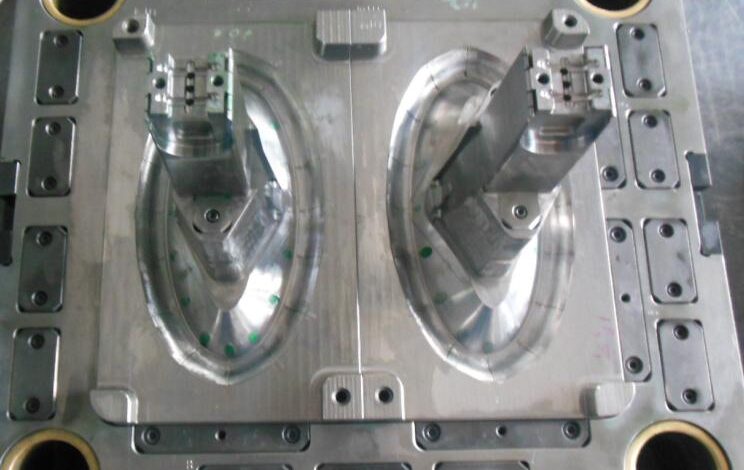
Cost-Effective Solutions in Injection Molding
Injection molding has become a cornerstone of modern manufacturing, offering efficient and scalable production methods for various industries. This article explores cost-effective strategies in injection molding, emphasizing manufacturability and sustainability.
Understanding Injection Molding
Injection molding involves injecting molten material into a mold to create a part. This process is widely used for producing plastic components, thanks to its versatility and efficiency. Here’s a brief overview:
- Materials Used: Common materials include thermoplastics, thermosetting plastics, and elastomers, each offering unique properties.
- Applications: Injection molding is used in automotive, consumer goods, medical devices, and electronics.
- Process Steps: Key steps include material preparation, injection, cooling, and ejection of the final product.
Cost-Effective Production Strategies
To maximize profitability, manufacturers must adopt cost-effective strategies. Here are several approaches:
- Material Selection: Choosing the right material can significantly affect production costs. Opt for cost-efficient materials that meet product specifications without compromising quality.
- Optimizing Mold Design: A well-designed mold can reduce cycle times and improve part quality. Consider the use of advanced simulation tools to refine mold designs before production.
- Automation: Implementing automated systems can enhance productivity and reduce labor costs. Automation streamlines processes, minimizes human error, and increases output.
- Regular Maintenance: Keeping machinery in optimal condition prevents costly downtimes. Regular maintenance schedules can extend the lifespan of equipment and ensure consistent quality.
- Energy Efficiency: Investing in energy-efficient machines can lower operational costs. Evaluate energy consumption and look for machines that offer better performance with lower energy use.
Enhancing Manufacturability
Manufacturability refers to how easily a product can be produced. Improving manufacturability can lead to significant cost savings. Here are some tips:
- Design for Manufacturability (DFM): Incorporate DFM principles during the design phase to simplify production processes and reduce costs.
- Simplifying Part Geometry: Reducing complex shapes can lower tooling costs and improve cycle times.
- Modular Design: Use modular components that can be easily assembled or replaced, enhancing flexibility in production.
Sustainability in Injection Molding
As environmental concerns grow, sustainability has become a critical factor in manufacturing. Here are ways to enhance sustainability in injection molding:
- Recycling Materials: Utilize recycled plastics to minimize waste and reduce material costs. This practice not only benefits the environment but can also enhance brand image.
- Eco-Friendly Processes: Implement processes that reduce energy consumption and waste generation. Consider technologies that lower emissions during production.
- Life Cycle Assessment: Conduct assessments to evaluate the environmental impact of products throughout their life cycle, from material sourcing to disposal.
Challenges in Injection Molding
While injection molding offers numerous advantages, it also presents challenges. Understanding these can help manufacturers navigate potential pitfalls:
- High Initial Costs: The initial investment in molds and machinery can be significant, posing a barrier for small manufacturers.
- Quality Control: Maintaining consistent quality can be challenging, requiring strict quality assurance measures throughout production.
- Material Limitations: Not all materials are suitable for injection molding, which can limit design options.
Future Trends in Injection Molding
The injection molding industry is evolving rapidly. Here are some trends to watch:
- 3D Printing Integration: Combining injection molding with 3D printing can streamline prototyping and reduce lead times.
- Smart Manufacturing: The adoption of IoT and AI technologies is enhancing production efficiency and predictive maintenance.
- Biodegradable Plastics: The rise of biodegradable materials is paving the way for more sustainable practices in injection molding.
Conclusion
Cost-effective solutions in injection molding hinge on strategic material selection, optimizing processes, and embracing sustainability. By focusing on manufacturability and keeping an eye on future trends, manufacturers can thrive in a competitive landscape.
For more information on China injection molding and plastic mold, explore industry resources that provide insights into best practices and innovations.


